
International. With the arrival of winter and the increase in demand for heating, energy efficiency has become a key topic for homeowners and companies in the construction sector.
In this context, ETH Zurich spin-off Aeroskin Tech is developing an innovative thermal insulation technology that promises to be a game-changer: a thinner, more efficient and sustainable solution than conventional methods.
The company's goal is to provide insulation twice as efficient as traditional materials, which could transform the way buildings are constructed and renovated. According to Daniel Sanz Pont, founder of Aeroskin Tech and a leading researcher in the field of building materials, "we want to offer insulation solutions that are not only more efficient, but also reduce environmental impact and energy costs for homes."
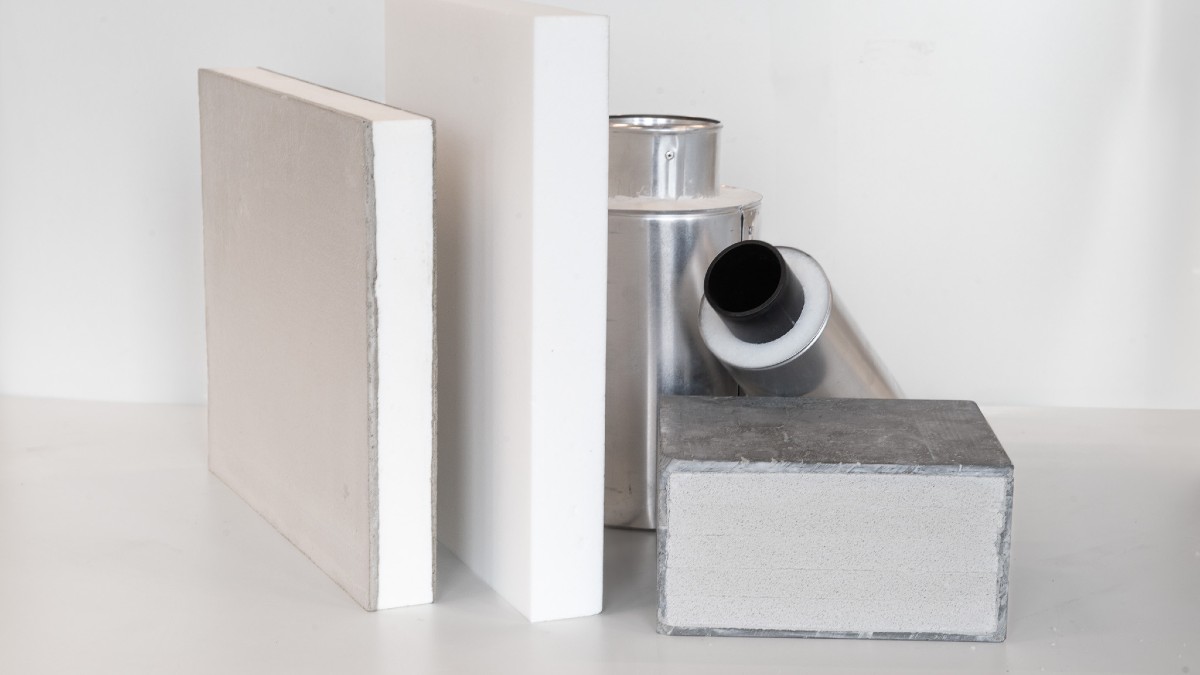
Aeroskin Tech uses an aerogel, a material from the aerospace industry that, although not new, has been adapted to offer superior performance in the thermal insulation of buildings. Originally used to insulate sensitive electronic components in spacecraft, aerogel has a nanoporous structure that makes it a highly effective insulator. Compared to traditional materials such as wood fibers or rock wool, Aeroskin Tech products provide insulation that exceeds two to two and a half times the effectiveness of conventional materials.
The most revolutionary thing about this technology is that, with a thickness of only 10 centimeters, Aeroskin Tech insulation can achieve the same thermal performance as traditional insulators that require up to 30 centimeters of thickness. This not only reduces the space needed for insulation, but also improves the energy efficiency of buildings by minimizing heat losses.
The development of Aeroskin Tech is presented as a key solution in the construction sector, especially as energy efficiency regulations become stricter in many countries. "Our goal is to facilitate the renovation and construction of more efficient buildings without compromising living space," explains Sanz Pont.
The company offers various solutions tailored to the needs of each project, from high-performance spray plaster for facades to insulating boards for both conventional and custom applications, using digital fabrication techniques and 3D scanning for the prefabrication of custom elements.
Aeroskin Tech has validated its products through testing in collaboration with manufacturers and retailers. The next step is the construction of a pilot plant to bring production to an industrial scale, with the aim of starting to market these products in the next one or two years. According to Sanz Pont, the location in Switzerland, in the heart of Europe, provides a strategic advantage, as the country has some of the most demanding energy efficiency standards.
"Thicker insulating materials are required in Switzerland than in other countries, which makes our market an excellent starting point for introducing our solutions," says the founder.
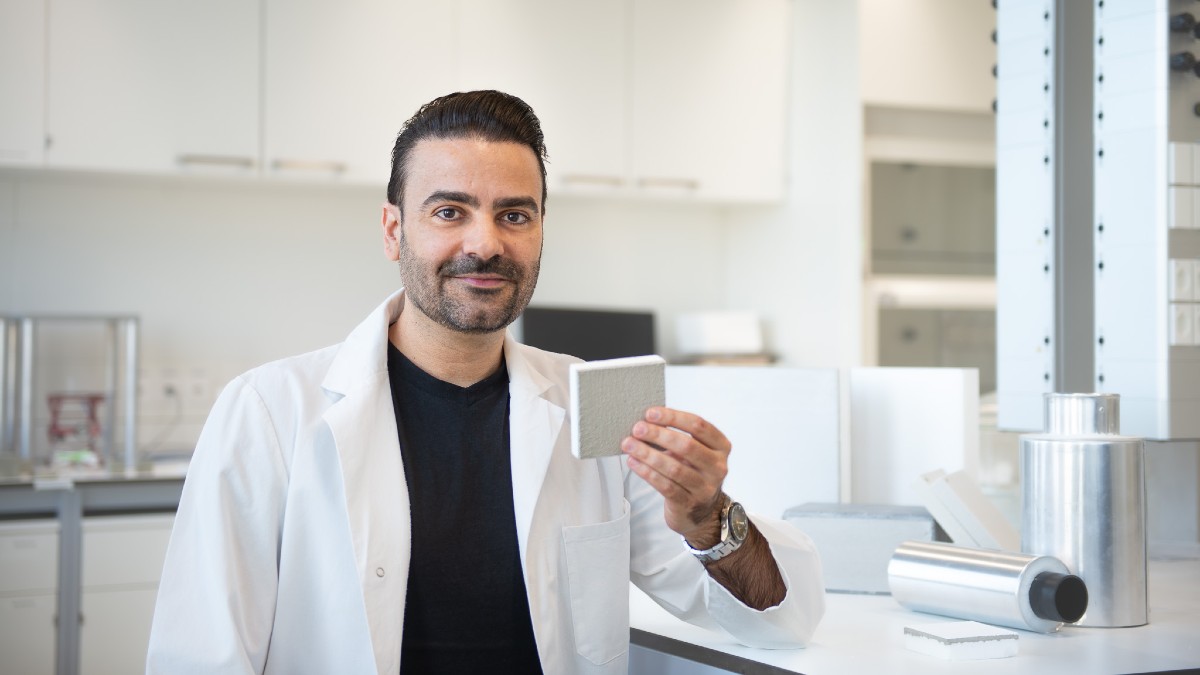
Unlike other ETH Zurich spin-offs, which are usually led by teams of founders, Aeroskin Tech has been founded and led by Sanz Pont. With a multidisciplinary background in architecture, construction physics and business management, Sanz Pont has managed to combine his technical experience with his entrepreneurial vision, supported by his network of experts and mentors.
The company's next big challenge will be to look for investors willing to support Aeroskin Tech's industrial expansion. "I am ready to take the next step and bring our technology to the global market," says Sanz Pont.
Despite the challenges of running a high-impact startup, Sanz Pont maintains a balance in his personal life. "I like to play sports, travel and enjoy my time with my family. It is important for me to recharge energies to continue innovating and leading the way towards a more sustainable future in construction," he concludes.
Aeroskin Tech is not only revolutionizing thermal insulation in construction, but it is also leading the way to a more efficient and sustainable future in the building industry. With the right support, this technology is likely to be available on the market very soon, potentially transforming the way we think about energy efficiency and building design.