
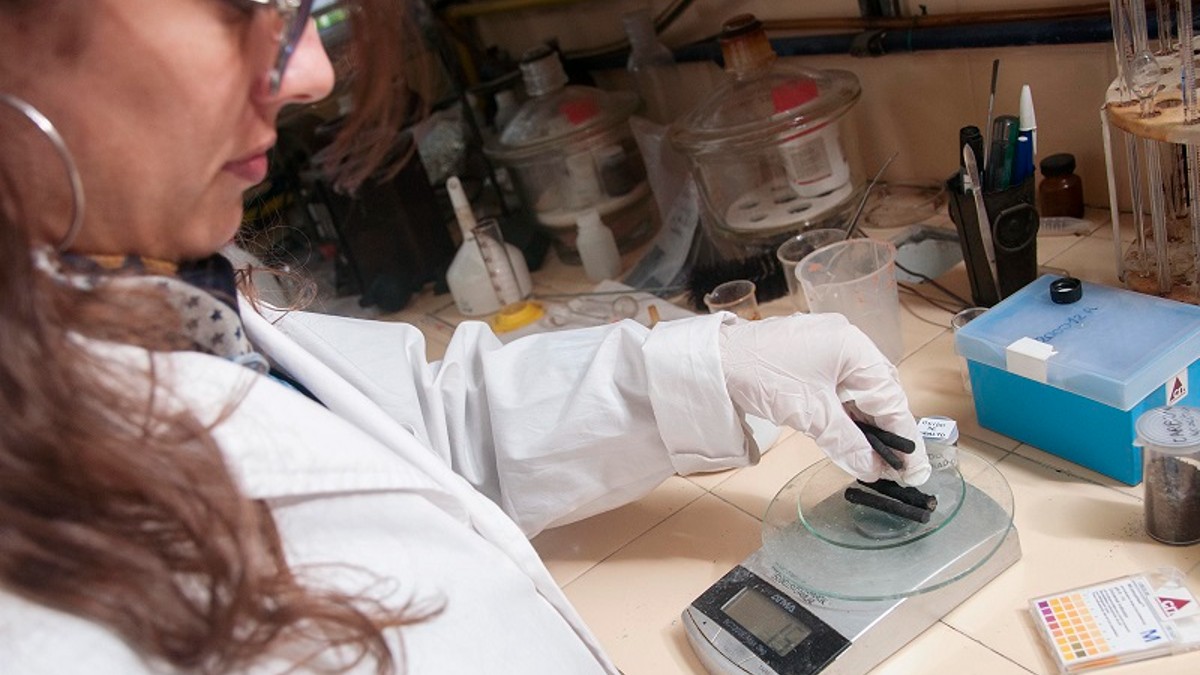
Argentina. Researchers are looking for the solution to millions of batteries that are discarded year after year and the fungi that can occur in walls due to humidity.
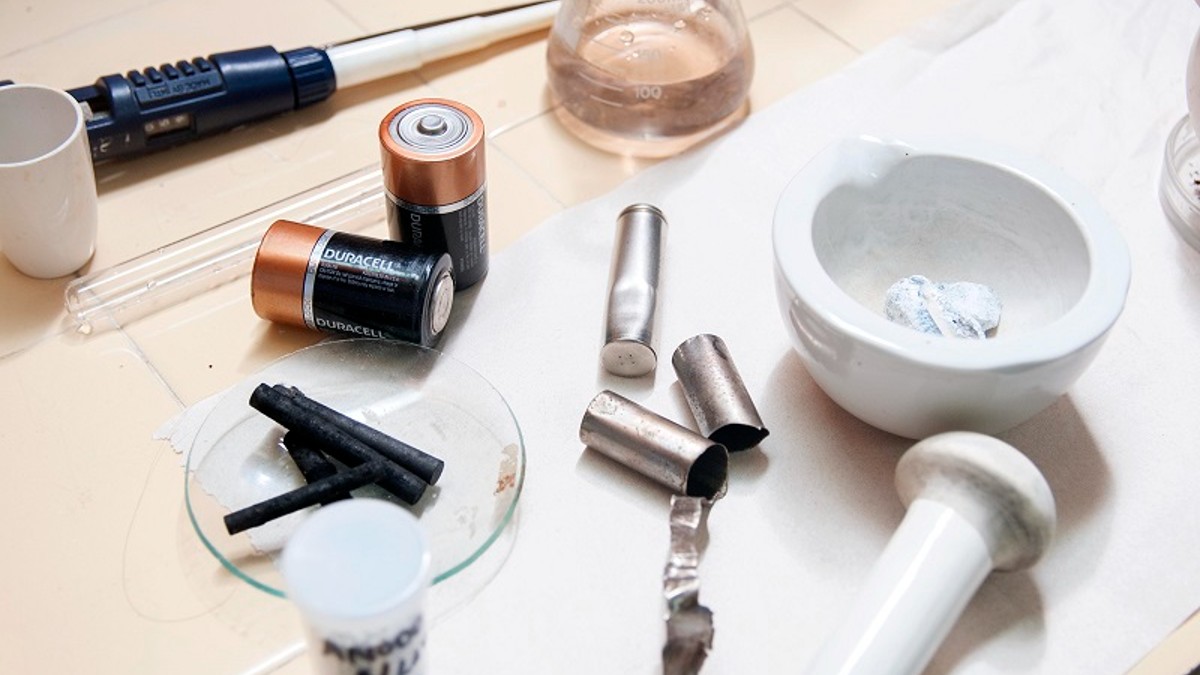
At the National University of La Plata, in Argentina, they are investigating the use of battery waste to create new materials with potential application as antimicrobial components for paints. In addition to achieving an innovative product, of interest to health and with high added value, they seek to contribute to the closure of the life cycle of disused batteries.
Thousands of tons of batteries are consumed every year in Argentina, the environmental problem generated by the final elimination of these devices is far from being solved. In this context, the recovery of material such as zinc and manganese from depleted batteries has an interesting social-economic-environmental potential.
A group of scientists has been working on the recovery of materials from disused batteries that exhibit antimicrobial properties. In particular, they designed new zinc-based compounds, which could be used in paints for environments where hygiene is important, such as hospitals, kitchens and toilets.
The group of researchers seeks to combine the biocidal and technological uses of zinc. Recovering Zn from depleted alkaline batteries, they seek to generate new materials with an application as an antimicrobial additive for paints. In this way, they manage to give an important recovery to waste in what is called "Circular Economy".
While zinc is not considered an extremely expensive material compared to others such as platinum and gold, its value is approximately $3000 per ton, 10 times that of iron. Zinc oxide has antifungal, antibacterial, and viral inactivating activity, and is considered non-toxic to human cells. It was used in ancient times in medicinal ointments and is still used today in antiseptic creams and anti-dandruff shampoo. In addition, it has important technological applications, as an additive in various materials and products. For example, "zinc white" is used in the art world as a pigment for paints, both to achieve an unalterable white and as a base for other colors.
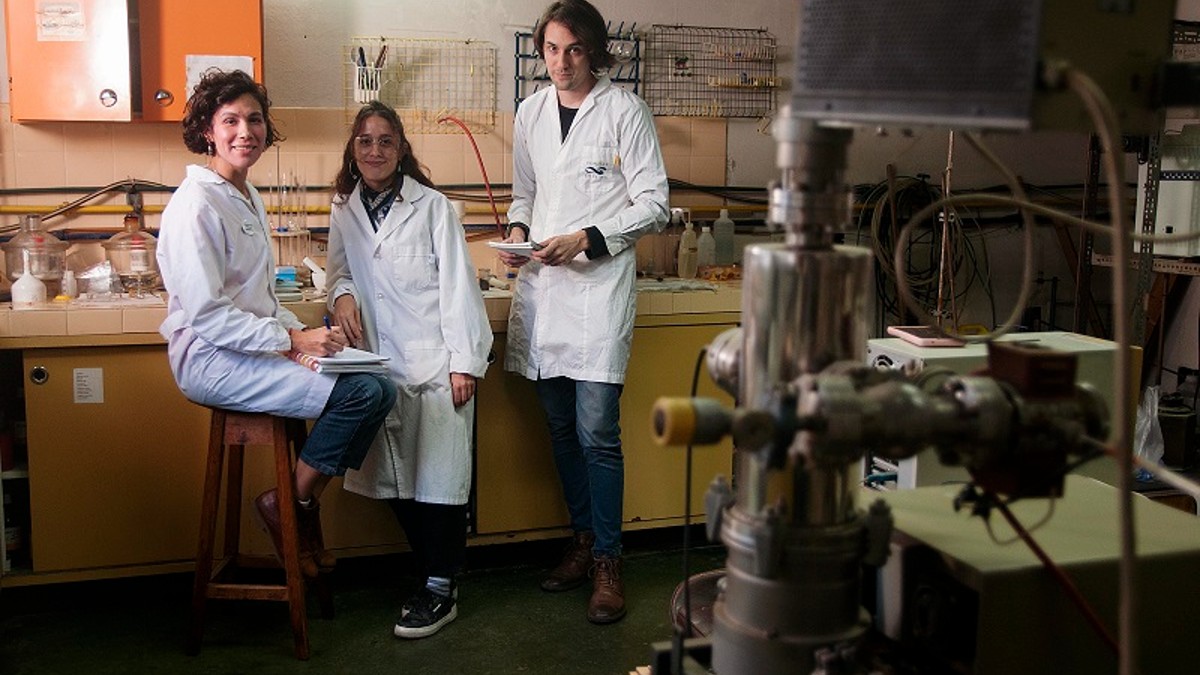
From a scientific point of view, zinc, in the form of zinc oxide (ZnO), is a compound of great interest: "it has structural and textural properties that make it a fascinating material for various applications, such as electronics, photonics and acoustics. These applications depend directly on the synthesis methods used, such as sol-gel, microemulsions and precipitation," describes María Victoria Gallegos, chemist and researcher at the Center for Research and Development in Applied Sciences (Cindeca).
The antimicrobial activity of the zinc compounds developed by the team was evaluated by checking the growth of microorganisms that are part of the strain of the Antimicrobial Coatings Area of the Center for Research and Development in Paint Technologies (CIDEPINT): Aspergillus fumigatus, Chaetomium globosum, Penicillum commune, Escherichia coli and Staphylococci aureus. With respect to antimicrobial potentialities, the two solid compounds showed positive antimicrobial activity against fungi and bacteria.
Dr. Natalia Belloti, biotechnologist and researcher at CIDEPINT, explains the advantages of the development of microbial paints obtained from zinc materials: "Antimicrobial paints produced in Argentina generally contain organic biocides, such as isothiazolinone and carbamate derivatives, which have the disadvantage of decreasing their antimicrobial efficiency over time. On the other hand, organic biocides are being questioned for their toxicity and the environmental impact they generate." From zinc, thanks to the process developed by UNLP researchers, paints with more durable and more environmentally friendly effects could be obtained.