
International. Researchers at the Swiss Federal Institute of Technology (ETH) Zurich have made significant progress in clarifying the underlying principle of cathodic protection, especially in the case of steel in porous media such as soil or concrete.
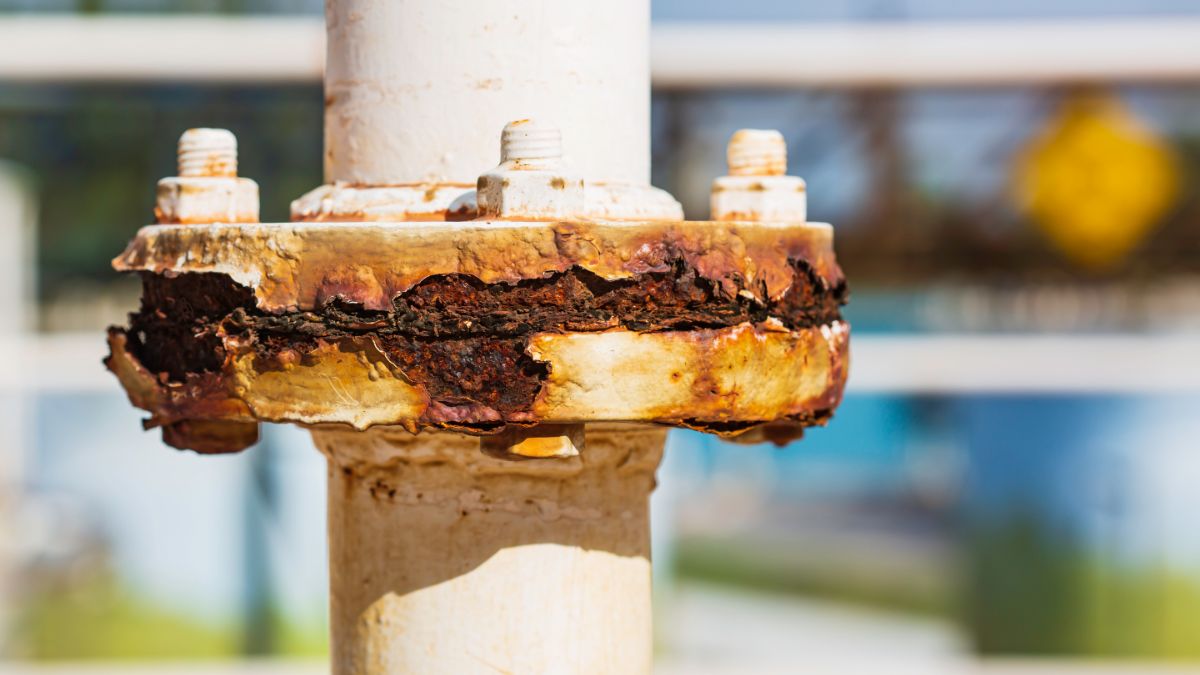
Corrosion is a chemical reaction that even the strongest structures fall victim to. Metals such as steel react with oxygen and water, oxidizing and decomposing. Cathodic protection plays a key role in the fight against corrosion. It protects steel structures by slowing down or preventing processes that lead to corrosion.
Cathodic protection was first described in a scientific context in England two centuries ago and has since played a valuable role in the maintenance of modern infrastructure, such as buried gas pipelines and reinforced concrete structures. "However, despite its widespread use, the underlying operating principle behind cathodic protection remains unclear and controversial," says Ueli Angst, Professor of Materials Durability at ETH Zurich.
Their study, published in the journal Communications Materials in the Nature, sheds light on the complex processes involved in cathodic corrosion protection at the interface between metal and porous media.
For their study, the ETH researchers focused on the interface between the steel and the electrolyte and characterized spatial and temporal changes in detail. For the first time they were able to demonstrate the formation of a thin film of metal oxide on the surface of the steel and demonstrate that this layer is the direct result of the increase in pH due to the electrochemical processes that take place.
Federico Martinelli-Orlando, first author of the study, adds: "We were also able to show that these chemical changes on the surface of the steel and in the electrolyte cause changes in the speed and progression of anodic and cathodic reactions."
The researchers propose a mechanism of action that resolves the apparent contradictions between previous hypotheses and unites the two theories in a complementary way.
"We conclude that we must consider the two theories discussed as complementary and not contradictory in order to fully explain the mechanism of cathodic protection at work," says Martinelli-Orlando.
From the measurements made, the researchers have developed a mechanistic model that takes into account all electrochemical processes.
These new theories can help improve corrosion protection technologies and operate critical steel-based infrastructures in a safe, economical and environmentally friendly manner.
The results can subsequently "validate" existing empirical concepts and form the basis for consistent approaches, for example, to develop well-founded standard criteria for the effectiveness of cathodic corrosion protection.
Scientifically backed technologies for corrosion protection currently play an important role, especially in the context of aging infrastructures, as they can delay or prevent the replacement of old structures. "If we avoid unnecessary dismantling and replacement of structures, it ultimately benefits the environment as well," Angst says.