
In the development of inspection procedures, measurements or assessment are required, as in the case of the use of comparators.
By Juan Manuel Álvarez Rodríguez*
In the same technical standards, equipment necessary to perform the tests is cited and ranges are cited within which the result of the measurements must be under the pass-not pass criterion.
For the purposes of citing what is related to measurements, we must take into account the following issues:
- Accuracy
- Precision
- Deviation
These topics will be dealt with initially separately and then in a context of how they interact.
Accuracy: Accuracy measures the difference between the measured value and the actual value, so accuracy shows how far away the reference or actual value data is.
Precision: Accuracy measures the dispersion of the data, so it indicates how close the data is to each other.
Deviation: Deviation is a measure of the difference between the observed value of a variable and some other value, often the mean of that variable. The deviation can be positive when the observed value is greater than the reference value, and negative when the observed value is less than the reference value.
It is very important to take into account these terms and their proper application when taking the data resulting from a sampling. It must be remembered that there are sampling standards that help determine the points, spot, and number of shots or readings to ideally have a representative result of the value or measurement with respect to what is expected.
The sample size or the amount of data required is indicated by the sampling technical standard and the result of the data handling; Its interpretation is what the inspector establishes in the report.
Therefore, the sample and the sample size must be representative and therefore the importance of determining the accuracy in the measurement as well as the precision in the measurement, taking into account the permitted deviation.
Accuracy and precision can eventually be related to the measuring equipment and to the data obtained in the measurement. The correct selection of the measuring equipment can provide the consequent accuracy due to the measurement scale, and the precision in the measurements taken with the correct measurement taken by the inspector.
On the other hand, the deviation is certainly related to the calibration of the equipment, which is why at the time of receiving the calibration document, the deviation that the equipment has is reported, which must be verified with respect to the allowed deviation with respect to the measurements that are going to be taken with the equipment. In the technical standards, the permitted deviation of a piece of equipment can be found to determine the reliability or its use, in such a way that it allows the use of the equipment if the deviation of the calibration is within what is allowed or the standard recommends not using the equipment for measurements for reliability of the measurement.
It should be taken into account that the calibrations that must be carried out on the measuring equipment are intended to know the deviation of the equipment in such a way that the measurements made with the equipment are reliable. Deviation that must be within the permitted range to achieve reliable and ideally representative measurements, so that a quality opinion can be given based on quality criteria such as the specifications indicated in a contract, tender, standard, code or procedure.
The frequency of calibration is related to the use of the equipment, which is known to the user or the inspector. Thus, it is certainly not reliable to establish a fixed time for the calibration of the equipment regardless of the use of the equipment.
Examples of calibration requirements:
- When the equipment had an impact or fall and must be verified by calibration.
- When the equipment was used outside temperature parameters, for example.
- When the storage of the equipment has been outside the manufacturer's recommendation.
- And other reasons related to the use or misuse of the equipment.
On the other hand, it should be taken into account that the selection of equipment related to the measurement scale may have an impact on the accuracy or deviation at the time of conversion of the measurements taken with respect to the unit of measurement with which they must be reported or verified for compliance purposes.
The calibration of the equipment must be carried out by a certified laboratory and at the frequency determined by the user or inspector who is the one who uses it, and the frequency of calibration of a piece of equipment must not be demanded or established by the customer, which what he must know in terms of quality or reliability is the deviation that the equipment has at the time of making the measurements.
Another "type of calibration" is the calibration of the day, which is related, for example, to the calibration of zero for the start of use of the equipment prior to the taking of measurements at the site under inspection. Not performing the verification of the "calibration of the day" by establishing zero before taking measurements, affects each of the measurements taken in the proportion of the deviation different from zero, which makes the measurements taken as a result of the deviation of the equipment unreliable.
Note: It is not a correct quality procedure to adjust by adding or subtracting the deviation that could be identified after the measurements.
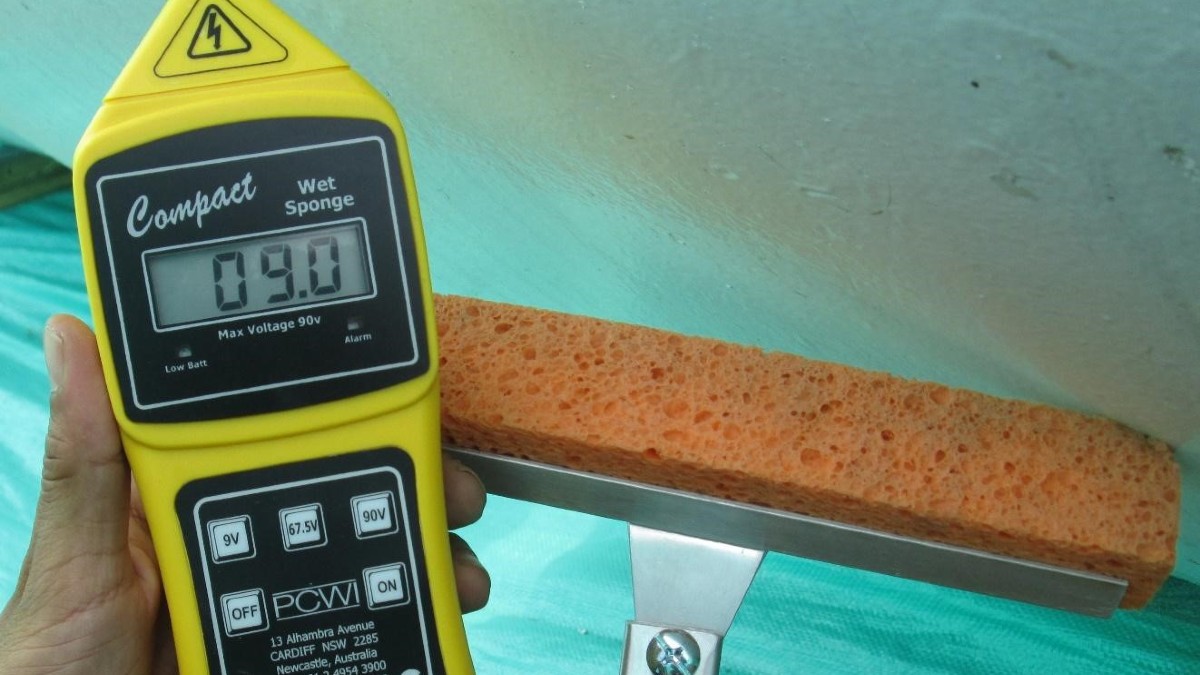
Gauge calibration when used establishes the unification of the accuracy of the equipment, the precision in measurement and the known and accepted deviation of the equipment due to its operation.
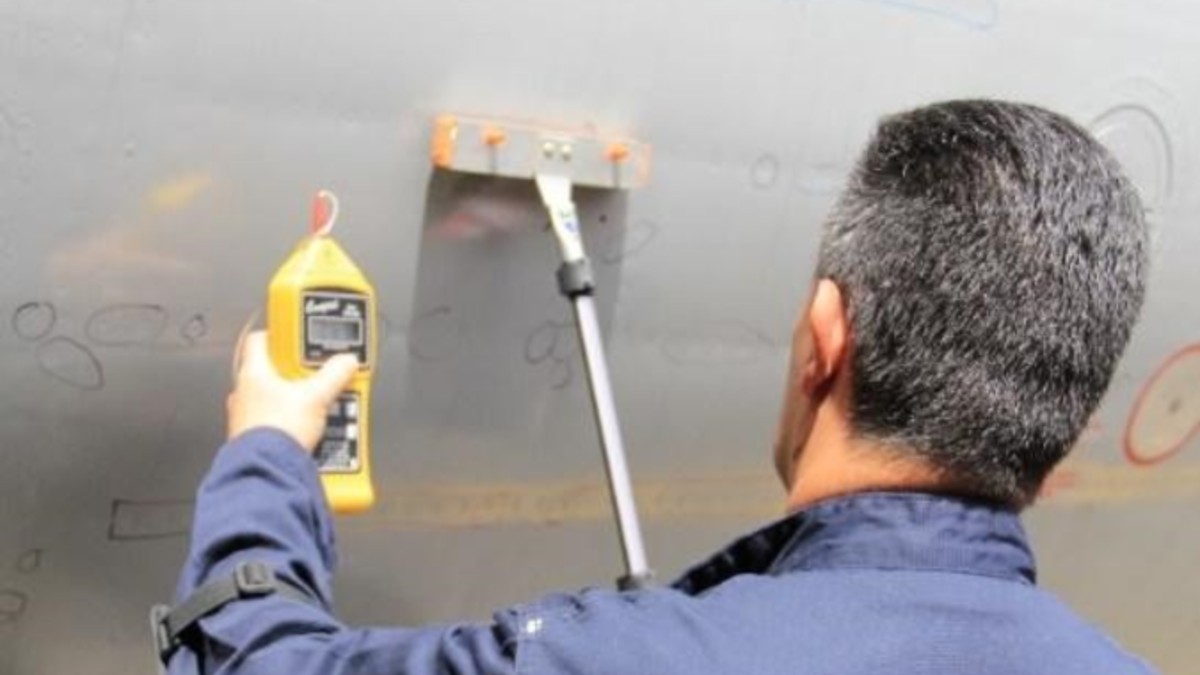
The correct use of the equipment is related to the accuracy of the reported measurements, in such a way; improper placement of a probe on the surface, incorrect position outside perpendicularity of a field viscometer, incorrect placement of a hygrometer or thermohygrometer, tilt or measurement outside the reference line of a measurement ruler for inspection, incorrect reading of the measurement, measurement of temperature before the temperature is adjusted to the medium to be measured.
After the related topics and the examples presented with the theoretical foundations and experience in the field, it is intended to convey the importance of the correct measurements or results of measurements carried out in an inspection procedure and that will determine or have an influence on the inspector's opinion through the report. that he could either reject something that is right or accept something that is not acceptable.
This cycle of inspection-related articles has covered topics such as testing, standards, procedures, equipment and inspection criteria. Issues that relate to the documentary part from the point of view of consultation for compliance, as well as the support of the inspection such as the equipment and the expertise and vision of the inspector. In the next article of this cycle the topic of "Specifications in Inspection" will be discussed.
Juan Manuel Álvarez Rodríguez
Designer for Corrosion Control, Certified Coating Inspector, Corrosion Technician and Marine Coating Inspector (AMPP - Association for Materials Protection and Performance).
A.S.T.M. member of the committees of corrosion, paints and coatings, fuels, general aviation, adhesives, nondestructive testing, and composites.
Certified Instructor ICAO (International Civil Aviation Organization).
Inspector in Non-Destructive Testing.
Instructor, lecturer and columnist in Pinturas y Corrosion
Specialist in Metal Structures and Composite Materials
Juancorrosion.com [email protected]
Technical Manager of Corrosion, Control and Quality.
Consulting, Inspections and Training Services for the Control and Prevention of Corrosion.