
 International. A new collaborative research project could help drastically reduce the impact that surface degradation processes such as corrosion and wear have on industry worldwide.
Corrosion and wear processes have very important social, economic and safety implications for the industry. From tools and machinery to oil pipelines, platforms and refineries, many industrial assets are susceptible to these surface degradation issues. This is especially true when they are exposed to demanding environments that the oil and gas sector encounters.
According to NACE International, annual global corrosion-related costs alone are estimated to exceed $2 trillion. Despite this great economic impact, the fundamental corrosion processes are little known and the industry relies on field experience for their management.
"Although there has been impressive progress in the empirical understanding of corrosion, many of the assumptions and industrial practices date back decades," said Professor Philip Withers, Regius Professor at the University of Manchester and principal investigator of the project.
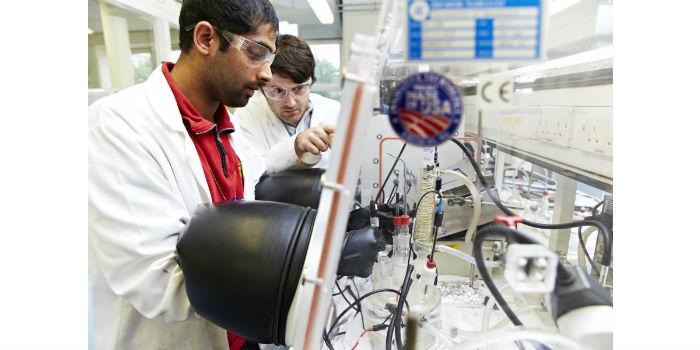
But all this could change with the research project "Prevention of surface degradation in demanding environments" funded by the Research Council in Engineering and Physical Sciences (EPSRC). It brings together world-class researchers from BP, the University of Manchester, Imperial College London and the University of Cambridge, who are already working together on corrosion research through the BP International Centre for Advanced Materials, in addition to additional expertise from the universities of Edinburgh and Leeds.
Professor Withers added: "By leveraging the latest advances in computer modelling, in situ level atomic techniques and in-operating imaging and characterisation techniques, this programme will focus on understanding corrosion scales and localised corrosion. Mechanisms that cause corrosion to be able to fight it more effectively in the future."
Dr. Angelo Amorelli, BP Vice President of Technology at Group Research, said: "BP has identified surface degradation as a high priority area for future research and we look forward to extending the safe operational life of current materials and developing new materials that will ultimately be of great benefit to multiple industry sectors."
Data Source Provider: University of Manchester.