
International.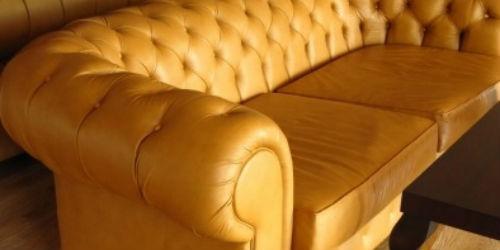 Researchers have developed an antimicrobial polymer coating for leather that prevents the rapid growth of bacteria and fungi.
The collagen network of the leather offers an ideal environment for the rapid growth of bacteria and fungi. Such microbial growth leads to the degradation of the material and generates unpleasant odors. In order to combat microbial growth, researchers at Sichuan University in China have created an antimicrobial polymer coating for leather that is both economical and environmentally friendly.
They synthesized polyethylene glycol grafted chitosan (PEG-G-CS) by conjugating PEG with chitosan (CS). Such a CS-allied PEGilated copolymer was further characterized by FTIR and 1H NMR, and the results demonstrated successful synthesis. After PEGylation, the water solubility of CS improved significantly due to the hydrophilicity of the PEG polymer. Therefore, this PEGilado CS was prepared as an aqueous coating for leather surfaces. The morphology and hydrophilia of this coating in the leather was studied using SEM measurements and the angle of contact with water.
Compared to the CS coating, the PEG-G-CS coating exhibited a better antimicrobial property, indicating the synergistic effect of the antimicrobial property of CS and the anti-adhesive property of PEG. Therefore, this CS PEGilado copolymer can be used as an efficient antimicrobial coating for leather products.
The summary of the study can be seen here.