
International.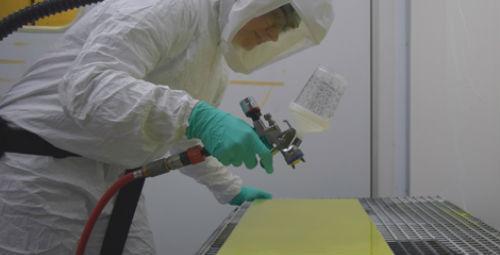 A research project aims to identify surface coatings that reduce aerodynamic drag by 25%.
GKN Aerospace has joined forces with Durham University to develop and implement an ultra-sensitive test method to accurately measure improvements in fuselage aerodynamic drag performance.
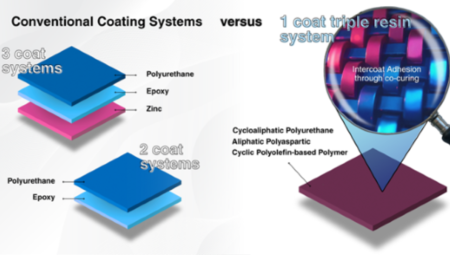
The test is used to identify surface coatings that reduce aerodynamic drag by 25% when compared to traditional aircraft surfaces – and when tested under typical aircraft cruising conditions. These coatings must also demonstrate the ability to maintain this level of performance over five years, which is the lifetime of an aircraft's exterior paint system.
In November 2015 the first tests were completed, with twenty coated surfaces evaluated for their performance. This development phase now continues with the detailed evaluation of a number of low-friction surfaces, all of which are treated with coatings developed by GKN. The development phase is expected to be completed by mid-2016.
Russ Dunn, Vice President of Engineering and Technology at GKN Aerospace, explained that "smooth and clean aerodynamic surfaces reduce the aerodynamic drag of the aircraft as it moves through the air in some areas of the aircraft, for example, the front edge wing, the 'laminar flow' (smooth continuous flow) of air is typically spoiled by small changes in geometry and surface cleanliness. This causes the airflow to become turbulent, increasing endurance which in turn increases the power of the engine, and therefore of fuel, needed to travel a given distance."
Image: GKN Aerospace