
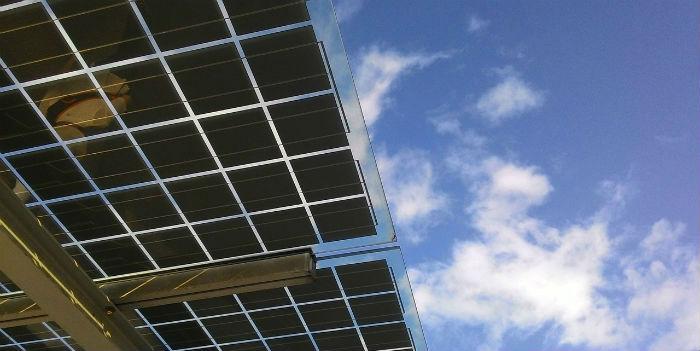
 International. Photovoltaic (PV) systems, which collect sustainable, clean energy from the sun, accumulate dirt or particles such as dust, water and sand. This accumulation leads to a reduction in the energy of light reaching solar cells and reduces their energy production by up to 50%, according to some studies.
Therefore, it is crucial to keep them clean. However, the process of regular cleaning and maintenance can be expensive and also wastes water.
The EU-funded SolarSharc project's highly repellent coating technology will remove surface pollution, optimizing energy efficiency and photovoltaic performance. In an interview published on the "European Coatings" website, David Hannan, from project partner Opus Materials Technologies, said developments in anti-dirt coatings are being driven by the sustainability agenda and the need for clean energy.
He highlighted the challenges involved in the production of solar energy and added that "dust, dirt and fouling of solar panels are important sources of inefficiency and loss in the generation of solar energy, which generates a loss of generation capacity with a value of more than 40,000 million euros. In turn, this generates more than 100 million tons of CO2 emissions through fossil fuel generation to make up for the shortfall."
Hannan pointed out the drawbacks of existing self-cleaning coatings, such as "a short service life (2-3 years), poor transparency, and high cost (more than €260/liter). This means that they are usually unprofitable and not implemented, and losses are accepted as the least economic impact to the operation of the plant."
According to the project's website, SolarSharc's nanoparticle structure provides "high transparency, improves generation efficiency by 4%, and improves aesthetic quality for architectural applications. The silica chemistry is not hazardous and allows for scalable manufacturing."
In addition to being durable and self-cleaning, SolarSharc is "anti-reflective, resistant to high temperatures and offers excellent weather resistance." Thanks to its anti-reflective properties, SolarSharc "leads to an improvement in transmission to allow more than 93% of all available light to reach the photovoltaic semiconductor."
Inorganic-organic hybrid coating
SolarSharc's inorganic-organic hybrid coating is only a few microns thick. "Based on a network of silica (glass) chemically bound to nonstick organic groups, the Solar Sharc [coating] repels water and waterborne pollution."
Source: Cordis.