
 International. Evonik announced that it is currently working on the development of a unique process to produce methyl methacrylate (MMA), an important precursor for its Plexiglas product and for special applications such as contact lenses and adhesives.
Evonik engineers have named the Technology LiMA, an acronym that reflects their ambitions: LiMA stands for Leading in Methacrylates. "The technology sets new standards for the efficient use of resources and for making notable reductions in their environmental impact. In many respects, LiMA is the most efficient MMA production technology developed so far," states Steffen Krill, Director of Methacrylates Innovation Management at Evonik.
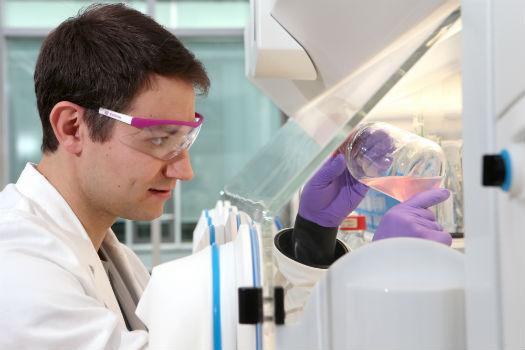
The process is currently being tested at a pilot plant in Darmstadt. Initial results have already shown that the quality of MMA is excellent. "The product can be used for optical applications without limitations, and is traditionally one of the most demanding applications for engineering plastics," explains Krill.
To create LiMA, Evonik combined individual process steps established with newly developed process designs, resulting in a new total production path. Intelligent process configuration and control and a new highly efficient catalyst result in final product yields exceeding 90 percent. Because it uses considerably less energy, the process also reduces carbon dioxide emissions by up to 40 percent. The overall favorable design of the process, as well as moderate reaction conditions, minimize wastewater streams, engineering work, and maintenance needs. Another advantage of the technology is its use of petrochemical raw materials, which are available worldwide.
LiMA starts with ethylene and methanol. They then undergo multiple reaction stages to produce metacrolein. The key to the new process is the conversion of metacrolein to methyl methacrylate in a single step. Evonik achieved this by developing a completely new catalyst system. The method is carried out entirely in the liquid phase and under moderate conditions, with temperatures usually well below 100 degrees Celsius.
The new catalytic system is remarkably robust and highly efficient. In other catalysts, individual components of the catalyst are gradually lost from support over reaction time, but this phenomenon – known as bleeding – hardly occurs with LiMA catalysts. A unique combination of metal oxides and a special preparation procedure gives the catalyst unusual stability. Catalyst by-products and poisons are efficiently removed during the preliminary stages of the process.