
 Europe. Researchers at Ruhr-University Bochum (RUB), Bochum, Germany, are collaborating with colleagues from seven countries in order to develop a photocatalyst effective enough to be cost-effective.
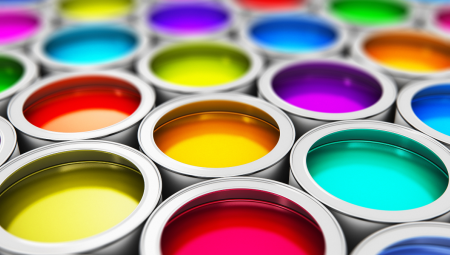
Led by Professor Radim Beránek, scientists are combining sunlight-absorbing semiconductors and nanostructured materials, which optimize electron transfer processes. The goal is to be able to use the newly developed photocatalysts in a liquid paint with which the photoreactors can be easily coated.
In several countries of the world they use pesticides, which contaminate drinking water and irrigate it with toxic organic compounds. "Photocatalysis is potentially one of the cheapest and most efficient methods of purifying water from contaminants," says Beránek.
Sunlight and oxygen establish oxidizing conditions in which toxins are easily degraded into non-harmful substances, such as water and carbon dioxide. So far, the process has faced two problems: degradation rates are too low, and mounting the necessary photoreactors is too expensive.
Within the project, Photocat 4G-, the researchers aim to develop cost-effective photocatalysts with an improved degradation rate. They are making innovative materials composed of nanostructured semiconductors and metal oxides.
"Our ultimate goal is to put into practice the newly developed photocatalysts in a liquid paint. Photoreactors painted with that liquid can be used, for example, for water decontamination in remote rural areas," says Beránek.