
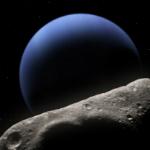
 International. A physics and astronomy professor at Texas A&M University has analyzed for several years a plan to deflect "killer asteroids" using paint. The initiative is already being analyzed by NASA.
Published by the university, Dr. Dave Hyland, a researcher with more than 30 years of experience, says that one possible way to avoid an asteroid collision with earth is through the use of a process called "Dust dispensing with tribocharge" (as in high pressure), diffusing a thin layer of paint onto an approaching asteroid, as in the aforementioned asteroid DA14 that was 17,000 miles from Earth on February 15.
The professor indicates that the painting changes the amount of light reflected by the asteroid, producing a change in what is called the Yarkovsky effect (discovered by a Russian engineer in 1902). The effect results from the fact that asteroids heat up while being exposed to sunlight.
When an asteroid rotates, the surface that has been heated by the sun moves into space and radiates infrared photons. Although without mass, these photons carry small portions of momentum from the asteroid; in essence, creating a small rocket that pushes in one direction. The effect is very slight, but over time it can noticeably change the orbit of an asteroid.
Hyland explains the paint used is not the type found at a local hardware store. "It couldn't be a water-based or oil-based paint, as it probably explodes within seconds of entering space."
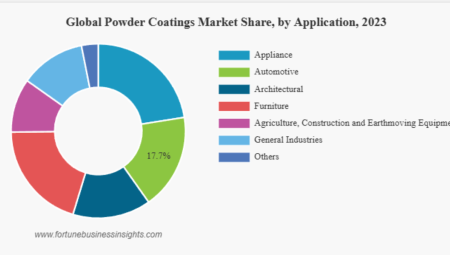
"But a powder coating could be used to apply to the asteroid and the sun would then do the rest. This would cure the paint to give it a smooth coating, and change the uneven heating of the asteroid so that it retreats its current path and is placed in either higher or lower orbit, thus losing itself from the earth.
The paintballs would have to be strong enough not to decompress explosively but weak enough to splash the asteroid's surface instead of simply leaving hundreds of tiny craters.
The spray-paint method could make its first tests in 2021 with the asteroid Apophis.