
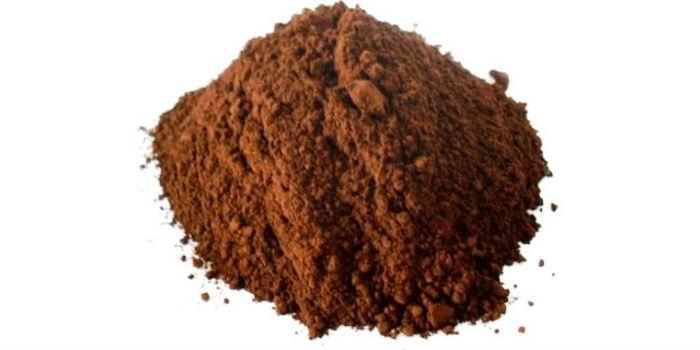
 International. Lignin, produced as a by-product of the pulp and paper and bioethanol industries, is a polyphenolic compound that has excellent potential to be used as a phenol replacement in the formulation of phenolic adhesives.
In this study, the phenol portion of phenol-formaldehyde (PF) resin has been replaced by an agriculture-based lignin, which was produced as a by-product of a cellulosic bioethanol process through dilute acid pretreatment and enzymatic hydrolysis of corn flour.
PF resin resin was formulated using lignin isolated under alkaline conditions. The chemical, physical and thermal properties of the insulated lignin, PF resin and adhesive were measured. Lignin-based adhesive and a commercially formulated resorcinol phenolic formaldehyde (PRF) were used to prepare single-turn samples for mechanical testing. The plywood samples were pressed under exactly the same conditions (time, temperature and pressure) as those recommended for the commercial formulation of PRF. According to the results, statistically there were no significant differences between the shear resistance of plywood samples made with 100% lignin-based adhesive and those made with commercial PRF resin.
Source: http://onlinelibrary.wiley.com