
United States.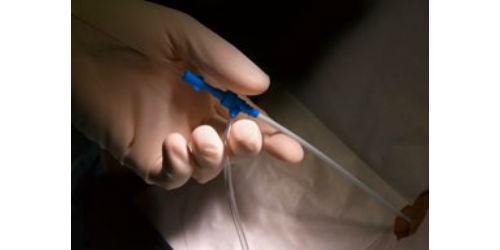 The University of Rochester Medical Center warns that hydrophilic polymer coatings on catheters, guide needles and other vascular medical devices can peel off or peel off during clinical use and cause serious complications in some patients, including death.
Rupal I. Mehta, M.D., assistant professor of Pathology and Laboratory Medicine and the Center for Neuronal Development and Disease (CNDD), first described embolism in hydrophilic polymers in 2009 and has been investigating the health complications associated with medical devices with coating materials for more than eight years. His work has helped raise awareness among patients undergoing catheterization and cardiac and vascular procedures.
Polymer coating gels are applied to the surfaces of medical devices for lubrication and to improve maneuverability within blood vessels.
These coated devices are used in millions of patients worldwide each year to:
- Cerebrovascular
- Cardiovascular
- Peripheral vascular disorders, such as coronary angioplasty procedures for coronary artery disease.
Mehta's team has shown that polymer coating particles can detach from devices and unexpectedly settle into vessels throughout the body. In a recent paper, Mehta reviewed the cases of 32 patients with documented complications associated with polymer coatings and showed that the associated tissue changes within the brain were diverse, including structural abnormalities of small vessels (in 63% of patients), inflammation (38%), stroke (28%), and/or aseptic meningitis (22%).
Data Source Provider: University of Rochester.