
United States. The U.S. Department of Energy (DOE) announces $19 million in funding over four years for a new research center to develop geothermal well casings.
The Center is aimed at exploring the chemical and mechanical properties of cement composites and other materials used in enhanced geothermal systems (EGS).
The Center for Coupled Chemistry of Cementitious Composites for EGS (C4M), one of 11 Energy Earthshot Research Centers (EERCs) just announced by DOE as part of its Energy Earthshots initiative, will be located in DOE's Department of Interdisciplinary Sciences. Brookhaven National Laboratory.
Research there and at partner institutions will inform the design of varieties of cement composites, casings, and other environmentally friendly barriers designed to protect geothermal wells. The ultimate goal is to expand the use of this abundant and sustainable form of energy.
"Our Energy Earthshots are groundbreaking efforts to unleash clean energy transition technologies and make them accessible, affordable, and abundant," said U.S. Secretary of Energy Jennifer M. Granholm.
"The Energy Earthshot Research Centers and related work taking place on college campuses across the country will be instrumental in developing the decarbonization and clean energy solutions we need to establish a 100% clean grid and defeat climate change."
Brookhaven Lab materials scientist Tatiana Pyatina, who leads the geothermal materials research effort at Brookhaven Lab and will lead the new C4M EERC, said, "Geothermal energy has the potential to transform abundant heat trapped deep underground into gigawatts of electricity to power millions of American homes."
"It's renewable, has a small geographic footprint, and unlike other green energy (such as wind and solar), it's available 24 hours a day," he said.
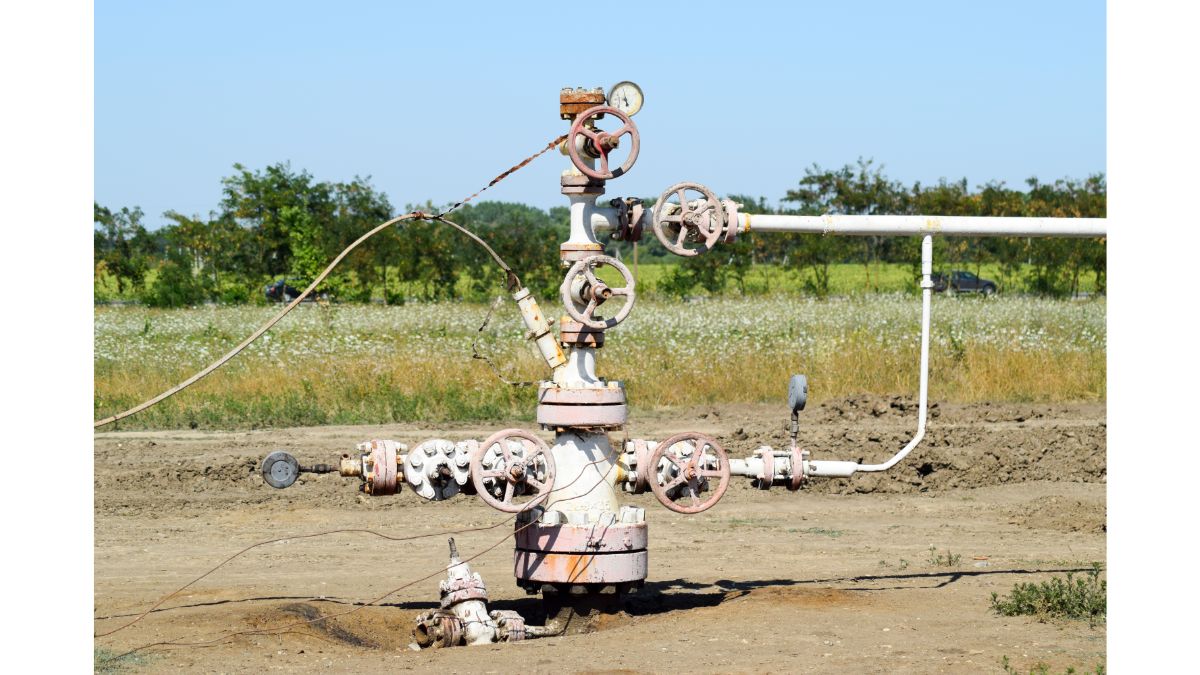
But there are some sticking points. The materials used to construct the wells, including the cement compounds that support and insulate the pipe-like metal casings that carry Earth-heated fluids from deep underground to the surface, must withstand extreme temperatures and corrosive conditions and last for many years.
Improved geothermal systems, which force more fluid than is naturally present through hot underground rocks to increase heat extraction, experience even greater thermomechanical stresses. These stringent material requirements can increase construction costs.
In addition, the cement currently used in well support compounds is an extreme emitter of carbon dioxide (CO2). Nearly one pound of heat-trapping gas is released for every pound of cement produced by chemical reactions of cement manufacturing and the use of fossil fuels to power the process.
"Therefore, in order to realize the potential of geothermal energy, it is essential to rationally design sustainable and cost-effective well construction materials with a net zero CO2 footprint. Our hope is that this research will achieve our goal of developing net-zero CO2 materials that reduce the cost of improved geothermal systems by 90% by 2035," continued Pyatina.
To achieve that goal, the C4M team will conduct comprehensive studies of the chemical and mechanical properties of new forms of cementitious composite materials. Their goals are to understand the chemical changes that take place in these materials under high temperature and pressure so that they can design reliable and durable compounds for use in extremely challenging underground environments.
By quantifying the effects of these chemical changes on material performance, they will learn how to control the solidification and transformations of these materials so that they can be used successfully and economically in the construction and operation of wells.
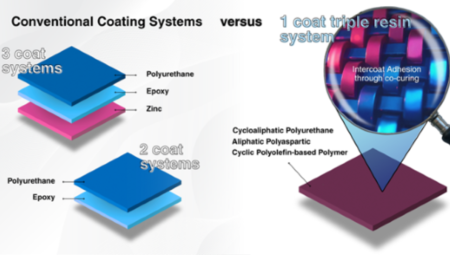
To ensure the durability of the wellbore, the team will look to identify materials with geologically stable mineral phases. They will also investigate the use of inorganic coatings that make pipe-like well casings more resistant to high temperatures and aggressive environments. Some coatings can protect metal casings so well that cement would no longer be necessary.
The team will use laboratory experiments and computational models to elucidate and predict the performance of these new cements and composite materials from the atomic to the macroscopic scale and over a period of time ranging from seconds to years.
They hope to use the information identified through these studies and the use of artificial intelligence and high-performance computing to design advanced materials with long durability for geothermal applications.