
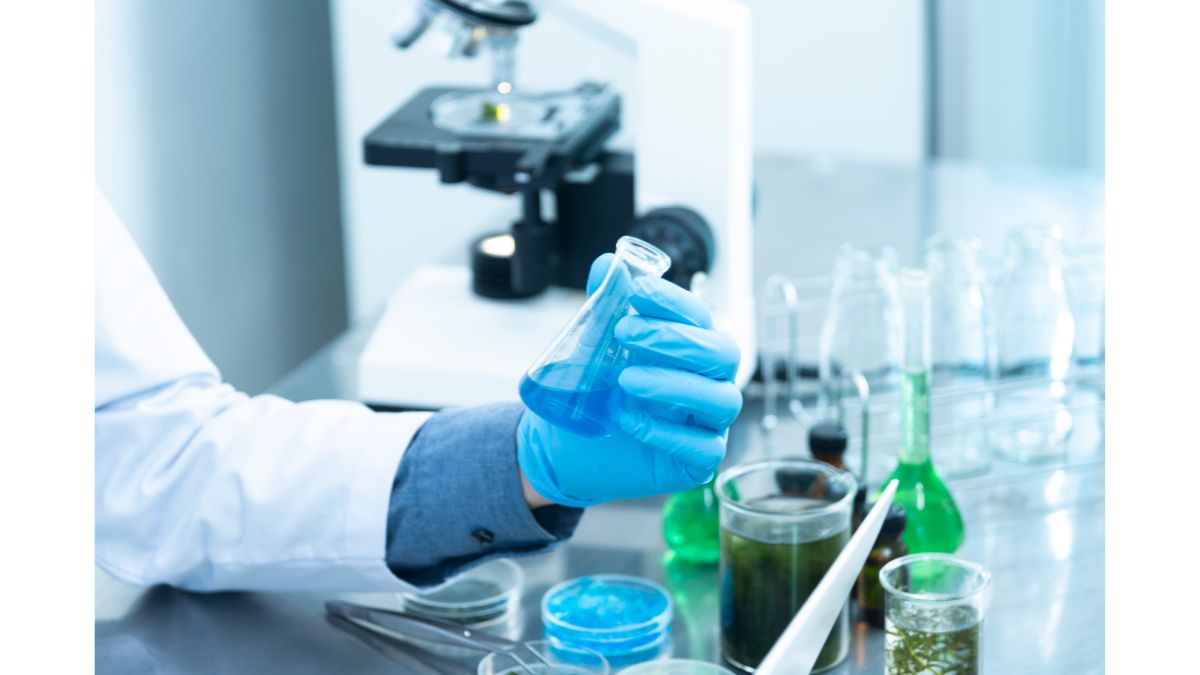
United States. NETL researchers develop a biocatalyst with 99% efficiency that can convert carbon dioxide (CO2) into acetate, an ingredient used in many products such as cleaning products, textiles and as a potential feedstock for biofuels.
The deployment of carbon management technologies is crucial to addressing the climate crisis and meeting the goal of managing a net-zero greenhouse gas emissions economy by 2050, while protecting existing industrial jobs and creating new ones.
Biological CO2 conversion is an attractive option to reduce carbon emissions and accelerate work towards a carbon-neutral economy.
Biotechnological approaches have previously relied on photosynthesis, the chemical process that occurs in plants, algae and some types of bacteria when exposed to sunlight and combines water and CO2 to release oxygen, to convert CO2, but that process is less than 4% efficient.
As a more efficient alternative to photosynthesis, NETL researchers and inventors Daniel E. Ross, Djuna Gulliver, and Samuel Flett developed a biocatalyst approach to convert CO2 into acetate.
Biocatalysts are natural substances that use enzymes from biological sources to improve the speed of chemical reactions. NETL has applied for a patent on the technology.
Other processes for CO2 conversion have been developed using biocatalysts, but the biocatalyst developed at NETL has unique adaptability to feedstocks and resistance to pollution challenges, making it a promising target for large-scale deployment.