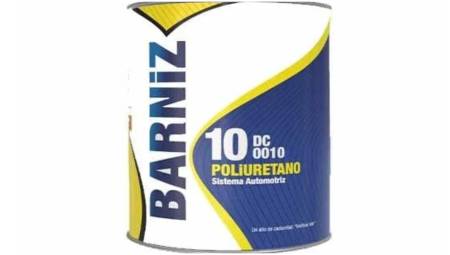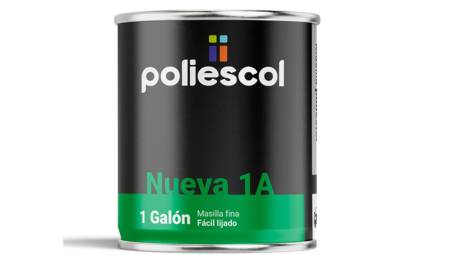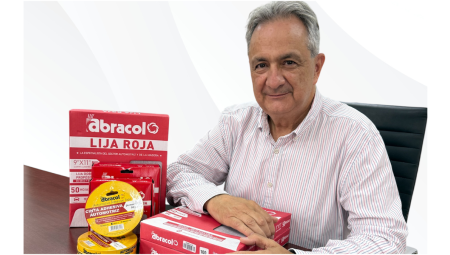

Colombia. The polysaccharide emulsifying resin (LPRT) has allowed the company Quimicoplásticos to commit to sustainability, thanks to the optimization of formulations.
By using biobased emulsification systems, the company contributes to the reduction of volatile organic compound (VOC) emissions into the atmosphere, replacing at least 10% of aliphatic and aromatic solvents with water.
Over the past five years, this contribution has been reflected with seven million litres of LPRT-modified paints. To this are added 7OO,000 liters of solvent replaced with emulsifiers and water.
The Lorama Group has more than 40 years of experience in the development of polysaccharide resin (LPRT) technologies from renewable materials.
According to the representative in Colombia of this business group, Lorama's polysaccharide resins add functionality and cost reduction to a wide range of paint and ink formulations.
"This technology strives to reduce the world's dependence on petroleum products and reduce the carbon footprint by offering innovations from natural sources," says Quimicoplásticos.
According to the raw materials solutions company in the plastics, paints and coatings sectors, Lorama Group's LPRT resin is designed to reduce the cost of solvent-based enamels, primers and alkyd dyes while maintaining paint quality.
In addition to significant cost savings, LPRT resins "provide manufacturers of solvent-based alkyd enamels, paints and inks with the opportunity to incorporate water into their formulation and comply with environmental legislations."
These resins are also considered by this an excellent alternative to reduce the emission of VOCs that are emitted mainly through the solvents used to dilute and disperse the pigments and resins in the paint.
They are used in the manufacture of alkyd paints, wood coatings and construction products, among others. In addition, they are compatible with a wide variety of pigments and additives, allowing them to be versatile for use in various applications.
Among the benefits, the emulsion stability provided, a higher speed of water addition, maximizing the yield and efficiency of the batch stands out.
In addition, the same emulsion can be dosed in several different formulations. In turn, it provides the highest level of control for the most critical part of the production of water-emulsified solvent-based paints.
Ultimately, this results in optimized production and ease of use.