
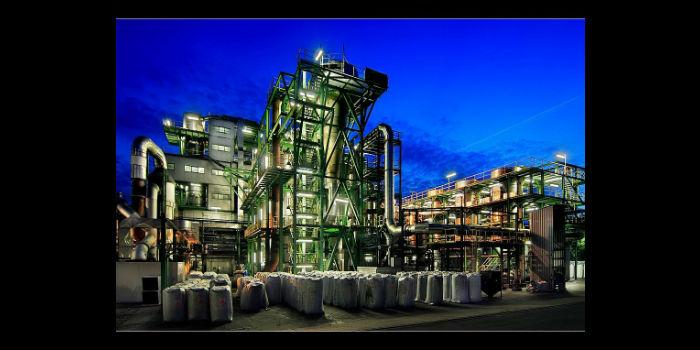
 Brazil. Black coal producer Birla Carbon completed 60 years of operations in Brazil in October 2018. The South American region of Birla Carbon commemorated the event with the celebration of the 60th anniversary of its plant in Cubatão, a city in the state of São Paulo, 12 kilometers from the seaport of the city of Santos.
Sharing his thoughts on the occasion, John Loudermilk, Chief Operating Officer of Birla Carbon, said: "As a global leader in carbon black production, Birla Carbon is happy to be able to serve customers anywhere in the world. We were one of the first global carbon black companies to operate in Brazil." He added that "Birla Carbon's continued dedication to the carbon black industry and the South American region can be seen with the achievement of this milestone. "We continue to live our purpose, 'Sharing strength,' through our commitment to being a global supplier of choice for our customers and partners."
Speaking about the anniversary, Ronaldo Duarte, President of the South American region, Birla Carbon, said: "From the beginning, Birla Carbon has been supporting the growing customer demands and fluctuations of the economy in the region. Achieving this milestone means a lot to people who have spent many years creating a solid foundation for business in South America." In addition, he stated: "When the Cubatão plant was established, it was a state-of-the-art facility. Over the past six decades, the plant has evolved and adapted to become a world-class facility and meet the growing demands of the industry. Today, the Cubatão plant is one of the safest and most sustainable units in Birla Carbon."
Birla Carbon's Cubatão plant began operations in 1958. The plant has a production capacity of 150,000 tons of carbon black per year. The central proposal of the plant is to support carbon black requirements for local and regional use. The plant also produces its own energy through a Cogen facility within its facilities.
The plant, for the past 60 years, has focused on sustainability and community initiatives that host volunteer programs to give back to society and its employees. The plant has implemented projects and programs to drive reduced water consumption, greater energy efficiency and increased product capabilities, while always remaining focused on the safety of its employees, contractors and suppliers at the plant.
As part of its corporate social responsibility initiatives, the plant has continued to support education for children and health care for women. Since 2015, plant employees have maintained a regular engagement with students at the high school level, talking about the importance of technology and the chemical industry.