
 International. Dr Sabine Amberg-Schwab, from the Fraunhofer Institute for Silicate Research ISC in Wurzburg, is researching a new class of materials called BioOrmocer.
Amberg-Schwab and others were researching the global problem of packaging waste for a long time at the ISC. They have decades of experience in developing Ormocer-based® barrier layers for packaging films and have studied biodegradable, organic-based coatings for films.
Biodegradable and compostable packaging materials made from cellulose, polylactide or starch blends have been on the market for a long time. However, these biopolymers have limited use because they cannot adequately protect food against moisture and oxygen.
These materials are too permeable to moisture, oxygen, carbon dioxide and flavorings. Biopolymers cannot guarantee the minimum shelf life required for food, so the researchers improved these bioplastics with special organic biodegradable coatings to improve their properties.
They now provide enough protection to prevent moisture, gas and foreign substances from entering the contents of the package. The next step is to make compostable polymer films competitive and help them become a widely available product.
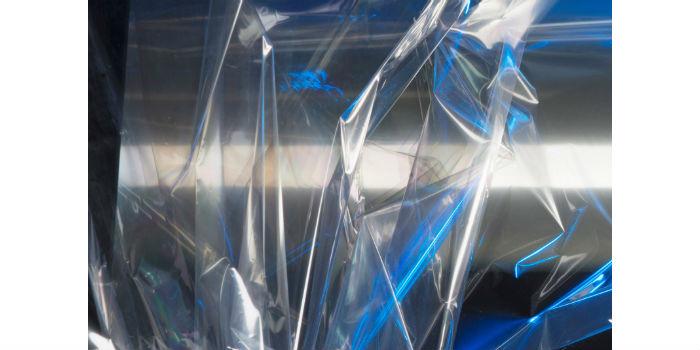
"We developed the first compostable coatings and applied them to films. These films have all the desired properties; for example, they serve as a barrier to moisture and oxygen. When it is no longer needed, the coated film completely decomposes under composting conditions," said the researcher.
He further added that "we developed the basic material system; now we are looking for companies that pursue the idea with us. The prospects certainly look good: we are participating in a twelve-month acceleration program that is part of the Circular Materials Challenge, where we won the New Plastic Innovation Award. This puts us in touch with companies that are also interested in developing sustainable packaging materials. Our first new compostable coating materials are now available for further testing and optimization."
"Our approach helps the environment in two ways. We are using compounds of organic origin. And we can use food waste or by-products from food production for our coatings. This conserves global resources. In addition, biomorcers are biodegradable and compostable, unlike the fossil-based plastic materials used today, which degrade very slowly or do not degrade in nature. The consequences of this can be seen in the plastic that covers the world's oceans, for example," she concluded.
Data Source Provider: Fraunhofer Institute.