
 International. A new review investigated recent developments in smart antibacterial surfaces to inhibit biofilm formation and bacterial infections.
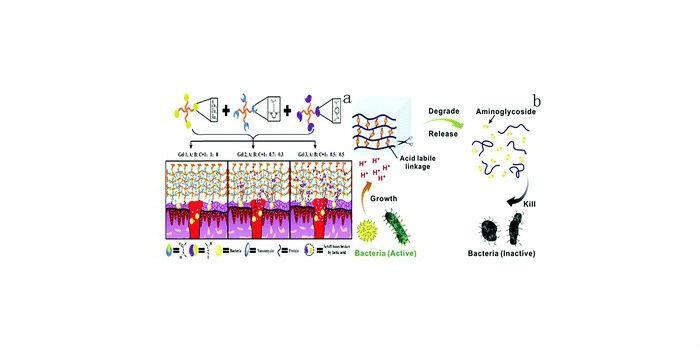
Since their development over more than 70 years, antibiotics remain the most effective strategy for treating bacterial biofilms and infections. However, the overuse of antibiotics in human health care and industrial applications has resulted in the development of bacteria resistant to severe antibiotics. Therefore, alternative ways to prevent bacterial binding and biofilm formation are urgently needed. Recently, biofilm formation processes and smart antibacterial surfaces have emerged as promising strategies for preventing and treating bacterial infections.
A new review looks at recent progress in biofilm interference and smart antibacterial surfaces. Smart antibacterial and anti-biofilm surfaces must respond to the bacterial infection environment, switch between various antibacterial functions, and have a special structure and function inspired by biology.
The main topics discussed are: (i) intelligent anti-biofilm surfaces by preventing the formation of biofilms or promoting the dissolution of mature biofilm, (ii) smart materials to reversibly kill and/or release bacteria, (iii) smart surfaces sensitive to microenvironmental bacterial infections or external stimuli and (iv) biologically inspired surfaces with antifouling and bactericidal properties.
Source: Journal of Materials Chemistry.