
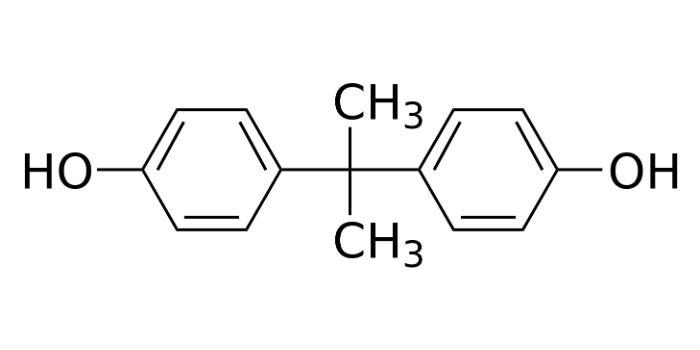
 United States. The FDA (U.S. Food and Drug Administration) issued a statement in which it has routinely considered and evaluated the scientific evidence surrounding the use of Bisphenol A (BPA) and concluded that BPA is safe for currently authorized uses in food packaging and packaging.
"As part of our ongoing commitment to reviewing the safety of BPA, we not only continue to evaluate the available data, but also conduct FDA research on the safety of using BPA for food packaging," the statement said.
"The results of the Clarity-BPA study demonstrate once again that BPA is safe at the very low levels to which people are typically exposed," adds Jasmin Bird, spokesperson for PlasticsEurope's Polycarbonate/BPA group. The largest study ever conducted on this topic indicates that BPA has very little potential to cause health effects, even when people are exposed to this substance throughout their lives," commented Dr. Steven Ostroff, FDA Deputy Commissioner for Food and Veterinary Medicine.
The core study was designed to look at the effects of several different doses of BPA that assess chronic and early exposure to life in two different groups of rodents. Doses ranged from low doses that would be comparable to typical human exposures, to doses that far exceed human exposures. A variety of endpoints including growth, weight, and tumor development were evaluated. Overall, the study found "minimal effects" for groups of rodents with doses of BPA.
The report identified some areas that may merit further investigation, such as the increased occurrence of mammary gland tumors at one of the five doses, in one of the groups. But the importance of these findings will be assessed through the peer review process.
The European Commission has ordered the European Food Safety Authority (EFSA) to re-evaluate BPA in the light of the clarity-BPA core study. EFSA expects the result of its assessment to be available by the end of 2019 at the earliest.
Source: www.fda.gov