
 United States. Emissions of volatile chemicals such as perfumes, paints and other scented consumer items now rival vehicles as a source of pollution in the greater Los Angeles area, according to a surprising new study led by NOAA .-
Although oil is consumed 15 times as fuel than is used as ingredients in industrial and consumer products, the amount of chemical vapors emitted into the atmosphere in scented products is about the same, said lead author Brian McDonald, a binding scientist at CIRESoffsite who works at NOAA.
Chemical vapors, known as volatile organic compounds (VOCs), react with sunlight to form ozone pollution and, as this study finds, also react with other chemicals in the atmosphere to form fine particles in the air.
"As the transportation sector becomes cleaner, these other sources of volatile organic compounds become more and more important," McDonald said. "A lot of the things we use in our daily lives can affect air pollution."
Since the adoption of the Clean Air Act in 1970, air quality programs have focused on controlling transportation-related pollution emitted by everything from cars and trucks to oil and gas refineries. But McDonald and his colleagues couldn't reconcile atmospheric measurements made in Los Angeles in 2010 with estimates of transportation emissions.
Therefore, they reassessed the sources of urban pollution by cataloguing chemical production statistics, evaluating indoor air quality measurements made by others, and then determining whether the new information filled the gap.
"The disproportionate impact on air quality of chemicals is due to a fundamental difference between those products and fuels," said NOAA atmospheric scientist Jessica Gilman, a co-author of the new paper.
Fuel systems minimize gasoline loss to evaporation to maximize the energy generated by combustion, he said. But common products like paints and perfumes are literally designed to evaporate.
"Perfumes and other scented products are designed so that you or your neighbor can enjoy the scent," Gilman said. "You don't do this with gasoline."
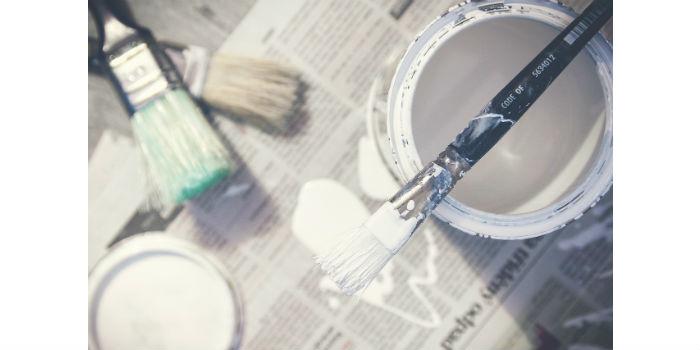
Gilman added that researchers studying the problem ended up closely looking at things they once took for granted. "Some of my colleagues at NOAA literally spent days watching the dry paint," he said. "We learned a lot."
While the focus of this study was Los Angeles, the authors believe the results are applicable to all major urban centers.
"We hope this study will spur collaboration between atmospheric scientists, chemical engineers and public health researchers, to deliver the best science to decision makers," McDonald said. "Strategies that worked in the past might not work as well in the future."
Source: National Oceanic and Atmospheric Administration (NOAA).