
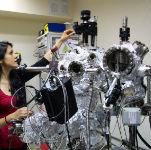
 Chile. The multidisciplinary team of the Federico Santa María Technical University published the results of their research on industrial solutions with nanomaterials to combat biocorrosion and biofouling.
Modify materials at the nanometer scale so that they obtain new properties and solve problems causing the least environmental impact. This is how the research that integrated researchers from different units of the University and that was published in the journal "ACS Applied Materials and Interfaces" can be summarized.
In the published research, the Plantel team was able to manipulate the material at the nanometer scale, making it resistant to the phenomenon of biocorrosion.
"In general, people are not very familiar with biocorrosion, but they are very familiar with electrochemical corrosion as such," says researcher Carolina Parra, explaining that biocorrosion produces damage similar to corrosion, but that it is generated by bacteria that colonize surfaces causing physical damage to metals and even concrete.
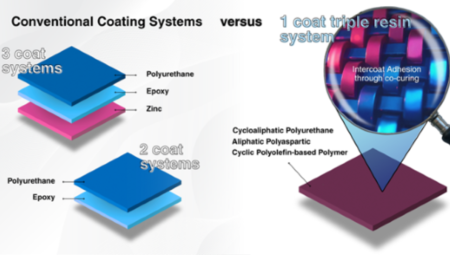
"Our publication shows that indeed the nanomaterials we use are able to protect metals from biocorrosion," says the researcher, since it is from these nanomaterials that the group of researchers elaborates a coating for the affected ducts, managing to suppress biocorrosion in them.
The application of nanomaterials not only occurs in the pipes that transport water for mining companies, but academics also use them as a measure against biofouling: colonization of bacteria in the marine environment that leads to the appearance of progressively larger organisms, such as microalgae and mollusc larvae.
According to the researchers, the advantage of the "nano" scale solution developed is that it has less environmental impact than the biocides currently offered on the market, which not only eliminate the organisms that cause the problem, but kill all kinds of life around them. "With the graphene-based nanomaterials we're working on, you don't have that negative externality," says Carolina Parra.
Information and image: Universidad Técnica Federico Santa María.