
 International. Scientists at Edinburgh's Napier University and Sappi (producer of wood pulp dissolution, specialties and packaging papers) have developed a low-cost way to turn wood into a material that could be used to build greener vehicles, thicken food and even treat wounds.
This means that Sappi will be able to produce the lightweight material on a commercially viable basis – and without producing large volumes of chemical wastewater associated with existing techniques.
The energy-saving process will be used in a new pilot Nanocellulose production plant that was erected by Sappi.
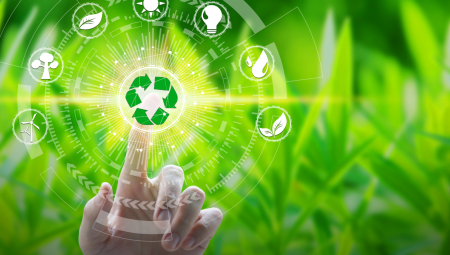
"Nanocellulose, extracted from wood fibres, has a number of unique optical, barrier and strength properties," said project coordinator Math Jennekens, R&D director at Sappi Europe. "Unlike other lightweight, high-strength fossil fuel-based materials, this one is completely sustainable, making it highly desirable as a new material for various industrial and transportation applications."
"What is significant about our process is the use of unique chemistry that has allowed us to very easily break down wood pulp fibers into nanocellulose," said Professor Rob English, who led the research with his Edinburgh Napier colleague, Dr Rhodri Williams.
"It could be used to thicken water-based products, such as paints, food and concrete," English said. "Or when used in plastics to make a composite that can replace glass fibers, which is very attractive in producing the next generation of lighter energy-efficient vehicles."