
 International. Researchers at the University of Cambridge have unlocked the genetic code behind some of the brightest and most vibrant colors in nature. The paper, published in the journal PNAS, is the first study of structural color genetics, as seen in butterfly wings and peacock feathers, and paves the way for genetic research into a variety of structurally colored organisms. This is the first systematic study of the genes that underpin structural colors, not only in bacteria but in any living system.
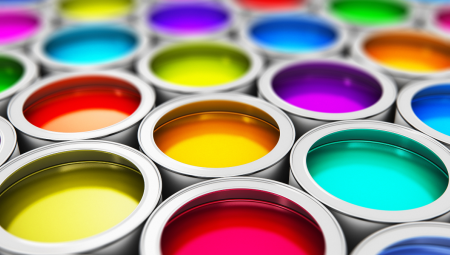
The study is a collaboration between the University of Cambridge and Dutch company Hoekmine BV and shows how genetics can change the color and appearance of certain types of bacteria. The results open up the possibility of harvesting these bacteria for large-scale manufacturing of nanostructured materials: biodegradable and non-toxic paints could 'grow' and not be manufactured, for example.
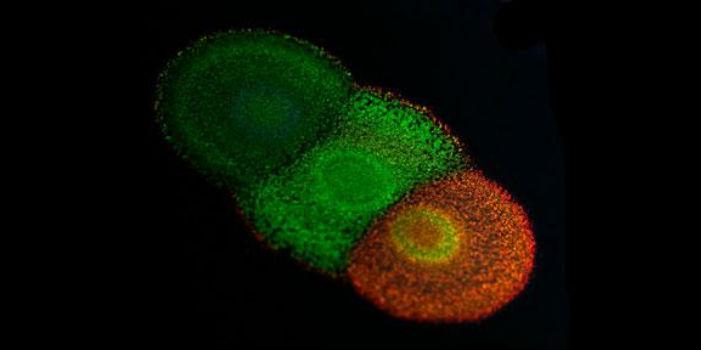
Flavobacterium is a type of bacterium that is grouped in colonies that produce striking metallic colors, which do not come from pigments, but from their internal structure, which reflects light at certain wavelengths. However, scientists are still baffled about how these intricate structures are genetically modified by nature.
"It is crucial to map the genes responsible for structural coloration for a greater understanding of how nanostructures are engineered in nature," said first author Villads Egede Johansen, from Cambridge's Department of Chemistry. "This is the first systematic study of the genes that underpin structural colors, not just in bacteria but in any living system."
The researchers compared the genetic information with the optical properties and anatomy of mutated and wild-type bacterial colonies to understand how genes regulate colony color.
By genetically mutating the bacteria, the researchers changed their dimensions or ability to move, which altered the geometry of the colonies. By changing the geometry, they changed the color: they changed the original metallic green color of the colony throughout the visible range from blue to red. They were also able to create a more opaque coloration or make the color disappear altogether.
"We mapped several genes with previously unknown functions and correlated them with the colonies' ability to self-organize and their coloration," said lead author Dr. Colin Ingham, CEO of Hoekmine BV.
"From an applied perspective, this bacterial system allows us to achieve photonic structures that can be tuned and reproduced in abundance, avoiding traditional nanofabrication methods," said lead author Dr Silvia Vignolini, from Cambridge's Department of Chemistry. "We see potential in the use of bacterial colonies such as photonic pigments that can be easily optimized to change coloration under external stimuli and that can interact with other living tissues, thus adapting to varying environments. The future is open for biodegradable paints on our cars and walls – just growing exactly the color and appearance we want!"
Data Source Provider: University of Cambridge.