
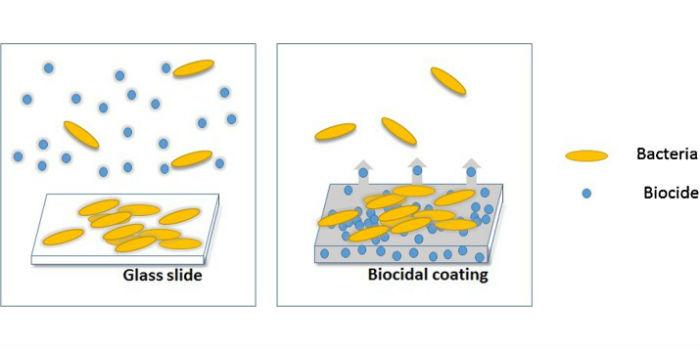
 International. Researchers from the University of Brittany South, France, exposed biocidal coatings to marine bacteria and diatoms and have studied their effect on cell adhesion and biofilm formation under different immersion conditions.
As biocides, diuron, tolylfluanide and copper thiocyanate were used.
In vitro, two marine bacterial strains (Pseudoalteromonas sp. and Bacillus sp.) and two diatom strains (Cylindrotheca closterium and Amphora sp.) were used in cultures of a single species. In situ (French Atlantic Ocean, port of Lorient), the colonization process of natural microfreezing in coatings was evaluated.
The results showed that biocidal coatings are more active against diatom binding (inhibition) than against bacterial adhesion (no effect). Microalgae were more sensitive to coating. The results between the in vitro and in situ tests showed a difference in behaviour according to the mode of presentation of the biocidal product (biocidal solution or coating) or the environment (monospecific culture or marine consortium).
Source: https://www.sciencedirect.com