 International. Chinese researchers have studied the applicability of bactericides to prevent microbial corrosion of concrete. For a thorough evaluation, five different types of bactericides were selected.
High-throughput sequencing methods, inductively coupled plasma mass spectrometry, laser scanning confocal microscope, etc. were used, and their bactericidal capacity, dissolution property, effective content, as well as the influence on the fluidity and strength of concrete were studied.
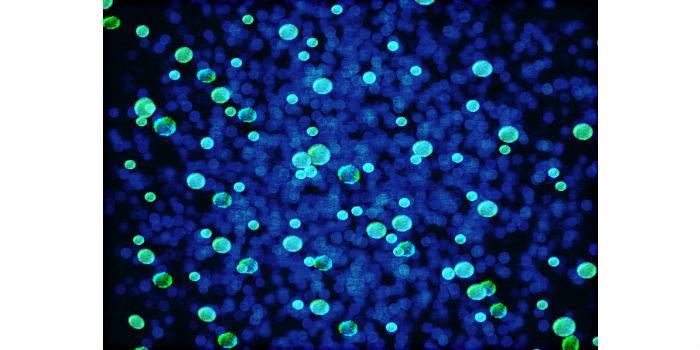
The scientists obtained as a result that copper phthalocyanin is the best bactericide to prevent microbial corrosion of concrete. The results show that the addition of copper phthalocyanin can increase the fluidity and strength of concrete to a great extent, and its kill rate in wastewater is 90.82%, and its retention rate in concrete is still up to 99.69% after immersion in wastewater for 120 days, Meanwhile, both the lower calcium dissolution content of specimens in wastewater and a large number of dead microbes observed on the surface of concrete have shown that copper phthalocyanin is a good bactericide for preparing antimicrobial anticorrosive concrete.
Sodium bromide has a good effect on the microbial corrosion resistance of concrete in the short term. Both ZnO and C21H38NCl have an adverse effect on concrete performance. The bactericidal capacity of Na2WO4 is the worst.
Source: http://www.sciencedirect.com