
 International. Researchers at the University of Manchester have developed a method for producing water-based and injection 2D material printing inks, which could bring 2D glass heterostructures from the lab to real-world products.
Examples include efficient light detectors, and devices that are capable of storing information encoded in binary form, in collaboration with the University of Pisa.
Graphene is the world's first 2D material: 200 times stronger than steel, lightweight, flexible and more copper-conductive. Since the isolation of graphene in 2004, the family of 2D materials has expanded.
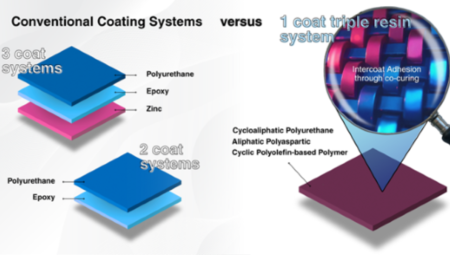
Using graphene and other 2D materials, scientists can place these materials, similar to stacking Lego bricks in a precisely chosen sequence, known as a "heterostructure," to create devices tailored to a specific purpose.
A team led by Professor Cinzia Casiraghi has developed a method of producing water-based 2D material inks and inkjet, which can be used for the manufacture of a wide range of heterostructures taking full advantage of the design flexibility offered by a simple technique such as inkjet printing.
The study indicates that current ink formulations, which would allow heterostructures to be made by simple, low-cost methods, are far from ideal, either containing toxic solvents or requiring time-consuming and costly processes. In addition, none of these are optimized for the manufacture of heterostructure.
These inks are also biocompatible, which extends their possible use to biomedical applications.
Data Source Provider: University of Manchester