
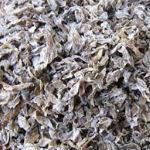
 Holland. Wageningen UR Food & Biobased Research is launching a European project to extract more value from sugar beet pulp.
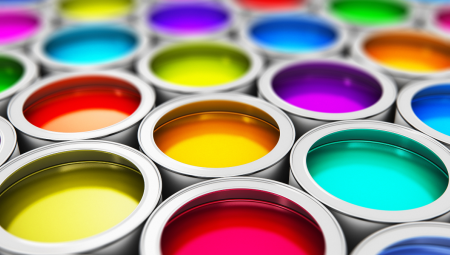
After undergoing bio-refinery and other conversion processes, this common beet residue, which is rich in cellulose and special carbohydrates, can be implemented in ambitious applications for paints and coatings, detergents, personal care products, composite materials and plastics.
Jacco van Haveren, director of the programme, explains: "The aim is to extract more value from beet pulp – between 20 and 50 times more. We believe that we can economically capitalize on around 65% of the pulp by applying bio-refinery and conversion technologies. This is an extremely interesting project because it will boost sales to create value and volume of pulp, which are of vital importance for the future."
Beetroot is an important crop not only for the Dutch agricultural sector, but also for many other European countries. Sugar-rich green material is now mainly used in food and animal feed, but the sugar quota hike in 2017 will open up opportunities for a whole range of potential applications in chemicals and materials.
Cosun, which collaborates with the project, currently converts approximately one million tons of beet pulp per year as a by-product of sugar production. Around 20 million tonnes of beet pulp are produced in Europe every year. Thanks to bio-refinery technologies, sugars can be extracted for industrial applications as well as for food products. These different applications would not compete with each other.