
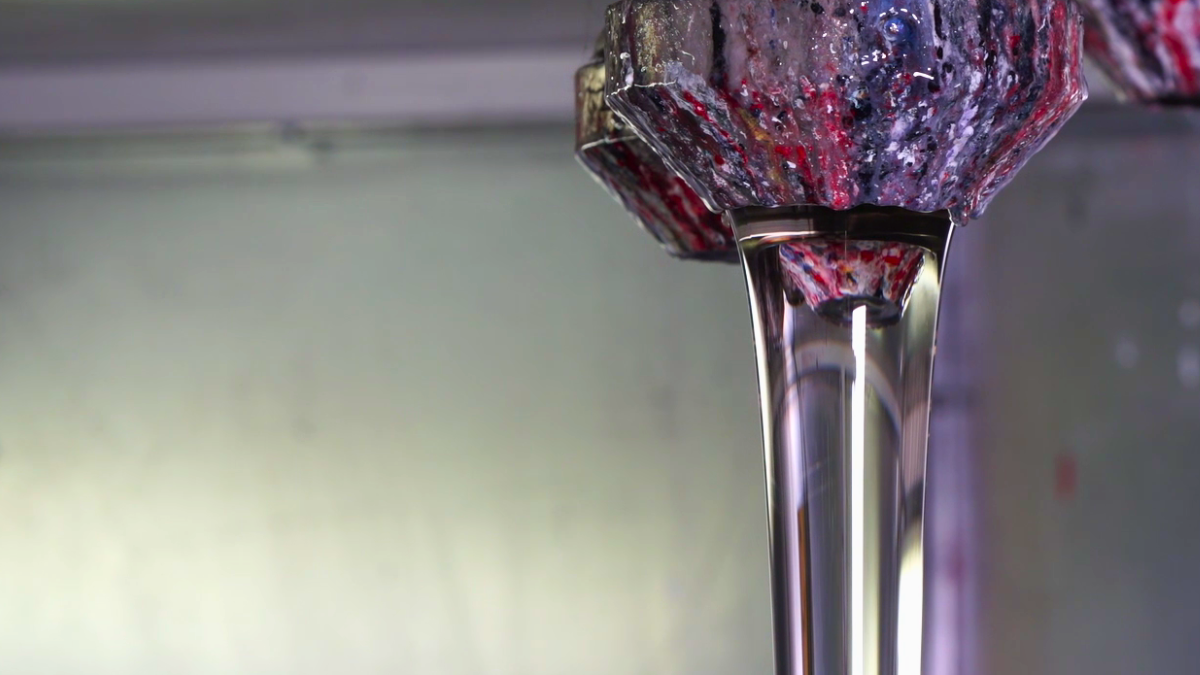
International. Beckers collaborates with suppliers to incorporate raw materials, made from recycled plastic, into their paints. The ability to convert plastic waste into new raw materials will promote circularity and reduce emissions.
Beckers works collaboratively with BioBTX and Symeres to create a supply chain of sustainable aromatic monomers made from plastic waste. BioBTX has developed a method to convert plastic waste into BTX (benzene, toluene and xylene) which Symeres then takes and oxidizes the xylenes into aromatic phthalic monomers that Beckers can use to create resins.
Phthalic anhydride is very important for the production of polyester resin, as it is the most widely used aromatic acid and constitutes 40-50 percent of the resins in which it is present. Phthalic anhydride produced by this pathway can be used as a complement to existing phthalic anhydride produced from petroleum.
The pilot involves the processing of mixed plastic waste into sustainable chemical components and eventually high-value products, using multiple advanced sustainable chemical conversions.
This includes the unique integrated catalytic cascade pyrolysis (ICCP) technology to convert mixed plastic waste and biomass into aromatic compounds such as benzene, toluene and xylenes.
Beckers is particularly interested in xylenes, which can be oxidized to produce monomers, such as phthalic anhydride, for use in polyester resins for coatings.
"No one has ever created a coil coating containing phthalic anhydride from plastic waste, so this world first is an important step forward in terms of producing more sustainable resins and paints," said Julien Marquiant, director of Beckers' resins laboratory.
"It really is a game changer for us and our ability to incorporate high-quality materials made from plastic waste," he said.
Ton Vries, managing director of BioBTX, said: "To achieve a fully circular economy, we will need to use all the different types of carbon resources to replace all the fossil resources that are used today."
"The collaboration with Beckers demonstrates that circular solutions can already be realized if parts from different industries join forces. In this case, it not only prevents plastic waste from growing, but simultaneously replaces the need for fossil-based resources," Vries added.
The pilot is still being developed, but it can have significant sustainability benefits. In addition to recycling thousands of tons of plastic waste into high-value products, early estimates suggest the process has the potential to reduce carbon emissions from a white layer by at least 10 percent using such recycled material compared to virgin raw materials.
Beckers will validate the quality and suitability of phthalic anhydride produced by Symeres using BioBTX xylene. Symeres is actively seeking a potential partner to develop and license this technology over the next three to five years.