
Latin America. "The logistics market has changed more in the last two years than in the last 20," said Francisco Gálvez, CEO of Leschaco Mexicana, at the beginning of the first webinar organized by Latinpin last Friday, June 24.
In his talk, aimed especially at logistics managers of paint and ink manufacturers, Gálvez addressed the current situation in the supply chain from maritime trade from Asia and Europe to America based on what 2021 left. That year happened in his opinion the "perfect storm" with the restart of operations of the different shipping companies in the middle of the pandemic, joining the demand and the delays due to the lack of containers.
"All the logistics managers of their companies are going through a very complicated time, with many challenges; synchronizing the logistics chain today is being a very big challenge," he emphasized.
Consequences in sight
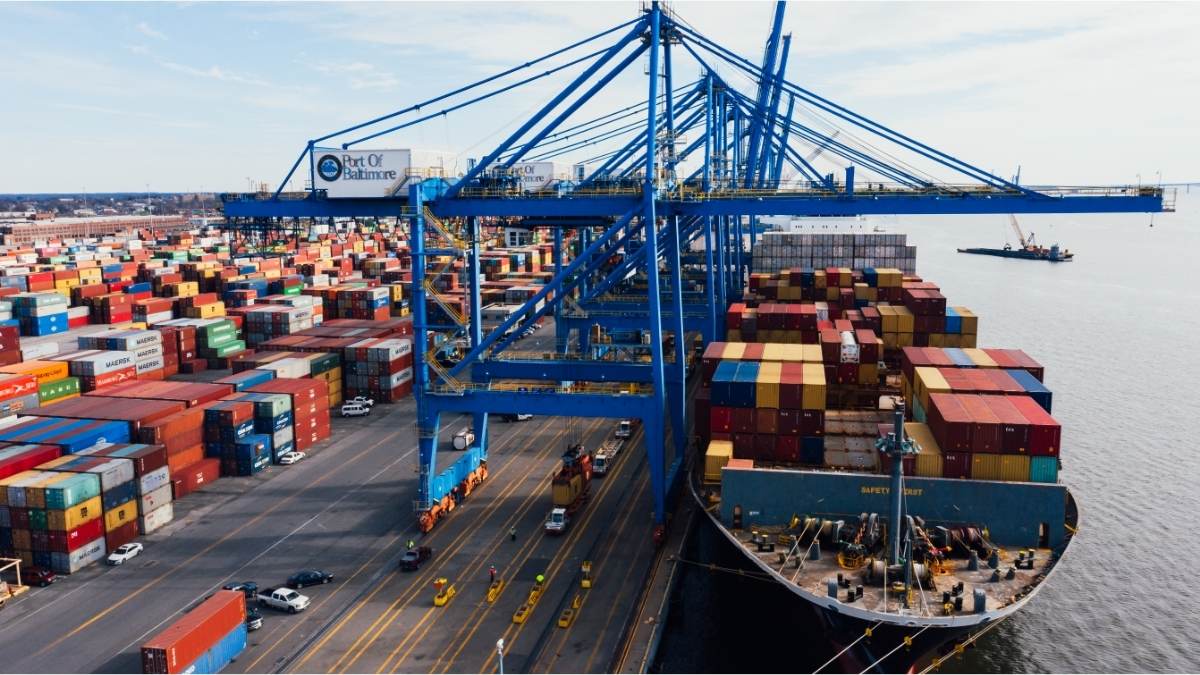
Port congestion and the delay of ships play an important role. As Gálvez stated, the average waiting time of eight days also means a delay of one week in the service circuit and causes a dramatic increase in container shortages due to the low speed.
"You guys today to get production materials are looking all over the world. And once they find it, unfortunately there is no space or way to bring it as soon as possible, and that generates delays in productions, "said the expert of Leschaco Mexicana, who commented that one of the frequent events that delay operations is the loss of shipping documents: 30% of all shipping documents are lost or delayed.
This is part of the picture presented in the last year: international congestion due to truck shortages, customs problems and trade tensions due to tariff changes, traffic challenges and rolled shipments; that is, cargo not loaded on the reserved vessel, which generates costs for stays.
To this must be added the cancellation of routes, especially in America; the shipping companies decide to skip the port at the last moment. On the other hand, in the Southern Cone the routes are with limited space available.
This brings with it an increase in rates and additional costs (according to Gálvez, the rates on the Pacific side increased up to 469%).
Overall, this strong space and allocation pressure at ports in the Americas and Europe is expected to persist throughout the third and fourth quarters of this year. "The bad news is that 2022 doesn't look to be much friendlier, although there are positive signs that things are already getting better," Galvez said.
"With the coronavirus crisis, many companies were very vulnerable in the logistics chain and it is urgent that we learn, that we have resilience in logistics chains," Francis said. That is why he called for improved communication to make the best decisions.
"Scheduling loads as long as possible, involving buyers is something we have to develop more because at the end of the day it is what will give us visibility to bring their cargo in the best way," he concluded.