
 International. The United States announced new steel and aluminum tariffs last March, under which steel imports will face a 25 percent tariff and aluminum imports will be subject to a 10 percent tariff.
These tariffs were imposed pursuant to the Trade Expansion Act of 1962 and were specifically made under the authority of Section 232 ("Homeland Security Protection"), which provides that action may be taken if an item is imported into the United States in such quantities or in such quantities. circumstances that threaten to undermine national security.
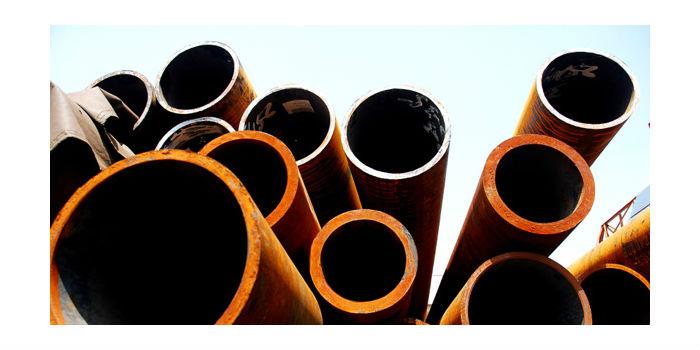
The steel products that were subject to this levy are quite broad and include finished products, such as carbon sheets and alloys, pipes, strips and plates, seamless or welded pipes and stainless steel. Semi-finished products are also included, such as solid forms of unfinished steel intended to be manufactured into final steel products. Aluminum products subject to this tariff included raw materials as well as processed materials such as bars, rods, wires, sheets, tubes, pipes, fittings, castings, and forgings.
Steel and aluminum tariffs can have a potential impact on many parts of the economy where coatings are used, including the manufacture of durable goods (especially motor vehicles), construction and other infrastructure, and packaging, including containers for coating products.
Normally, one would expect substantial tariffs on primary materials such as iron, steel, and aluminum to affect demand for imported products in those categories, as well as price impacts due to supply constraints, as well as the impact of the tariffs themselves. Looking at the data through August, it's unclear what impact the tariffs will have so far. As for the general category of "Iron and Steel Products", the steady price appreciation since October 2017 preceded the imposition of Section 232 tariffs, while imports in this category are not affected by tariffs until August 2018.
For aluminum products, the data is somewhat different. Price pressures eased somewhat in the summer period of 2018, while import demand is felt significantly during the period beginning in March 2018 (although March import figures reflected a somewhat off-trend peak, possibly reflecting import activity that could have accelerated to beat the imposition of tariffs that took effect on March 23, 2018).
Many manufacturing groups, including ACA (American Coatings Association), have expressed concern to the U.S. Trade Representative about the impact of these tariffs (and others) being imposed on intermediate goods used as inputs in manufacturing, but the full impact of the Administration's trade strategy will clearly develop in the coming months.
Source: American Coatings Association.