
 International. The Technological Center of Components (CTC), of Spain, has been developing a research that promotes the application of some of the Essential Facilitating Technologies, among which is nanotechnology, to the traditional materials of the Habitat such as natural stone, composite material or cork.
The European innovation project KrEaTive Habitat has reached its equator with "very promising results in all its fields of study".
The project seeks to give these materials a series of completely new technical features and turn them into raw material of high added value with a lot of appeal for more competitive markets such as Singular Architecture or Design
"These materials of the future will definitively transform the Habitat sector and promote smart and sustainable growth, cushioning the crisis suffered by the sector and looking beyond the traditional applications linked to mass construction," explained Beatriz Sancristóbal.
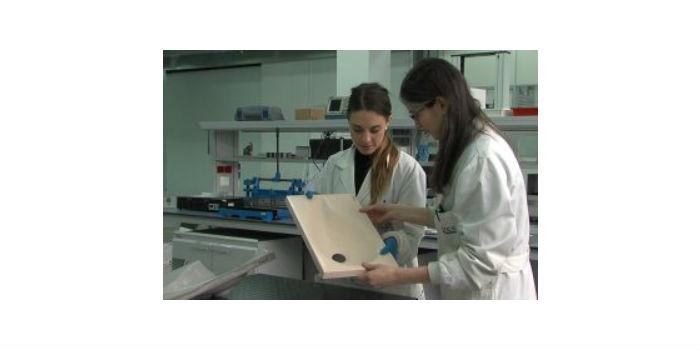
Currently, the project is developing smart materials based on nanotechnology and also high-performance materials based on nanostructured coatings. Some developments that are being carried out within the Project are ceramic tiles with radiant temperature properties and contact activation function, natural stone kitchen countertops with plate heating zone and contact activation or a development of fibers of vegetable origin, based on palm leaf and flax, which acts as a reinforcement in the pillars, significantly raising their resistance to seismic events, are just some examples of the solutions reached to date. "These types of materials are easily exportable in markets, which demand exclusive and high-value materials," said Sancristóbal.
The Director of Projects and Business Development of CTC mentioned the development of a process, based on the properties of graphene oxide, for the purification of contaminated water in the nuclear sector. Although it is still in the laboratory phase, the results achieved show that this methodology is more efficient and more economical than the current solutions used by the nuclear sector. The research, developed by the CTC and the University of Cantabria, will allow Equipos Nucleares (ENSA) to improve the services they offer for the dismantling and decontamination of nuclear power plants.
Similarly, the CemLab project, developed jointly by the CTC Technology Center and Bathco, has allowed the company to attack new markets with an innovative product, in terms of lightness, waterproofness and finishes. CemLab is the result of an investigation in which the research team of the only technological center in the region, carried out various tests in which it combined conventional materials such as cement with nanomaterials, additives and other elements from recycled industrial waste: In the end, they achieved a product that is 40% lighter than the original and that has an impermeability to water that touches 80%.
Finally, Sancristóbal cited the Grafentex initiative. An R&D&I project that has led to a fabric with fireproof properties thanks to the incorporation of graphene in the production process. It is the only FR (Flame Retardant) textile of these characteristics that exists in the market and, when it is a reality, it will allow the company Textil Santanderina to attack a new niche of activity through its Techs line, aimed at the manufacture of uniforms of firefighters, divers for foundry companies, industrial workwear.
Source: Technological Center of Components.