
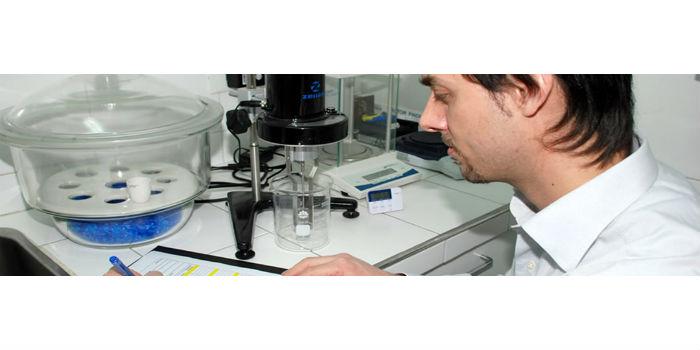
 International. The International Testing and Certification Institute TÜV SÜD certified the Wacker group in the mass balancing method for tracking renewable raw materials in silicone production. This means that the company has a recognized process for tracking the use of renewable raw materials throughout the production process to the final product.
Wacker switched to using plant-based methanol in production starting in April, so the group can already market silicone fluids made only with the help of biomethanel. Silicones produced by means of bio-based or petrochemical methanol are chemically identical. Silicones produced with biomethanel, however, present a clearly more favorable CO2 balance, since no fossil material enters the production of methanol.
The certificates, issued in mid-March, demonstrate that the mass balance method used by Wacker in the production of silicone corresponds to the criteria of the CMS 71 standard of the TÜV SÜD regarding the traceability of renewable raw material. A raw material in this category is, for example, biomethanol which can be used instead of fossil-based methanol. In addition, several high- and low-viscosity silicone fluids have been certified for the cosmetics and consumer goods industries.
For Wacker, the TÜV certificate is important because, from April, the Wacker Silicones division will not only use petroleum-based methanol, but also biomethanol produced from plant waste. The mass balance method makes it possible to calculate the amount of silicone fluid produced from renewable raw material, i.e. non-fossil resources. The biomethanol used in this process is purchased solely and exclusively from certified manufacturers.