
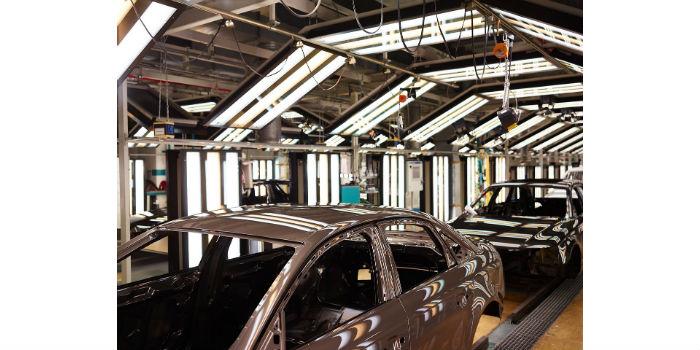
 International. In cooperation with Audi, Henkel has developed a body pretreatment process. The patented two-step process allows the surface treatment of automatic bodies of various metals with an aluminum content of up to 100%.
In zinc phosphating, which was the conventional process, the volume of waste products increases as the aluminum content of the mixed material bodies increases. These are very expensive to remove from the pre-treatment bath and the surfaces that are treated on them.
Due to the different surface properties of the steel and aluminum body components, the two-step Bonderite process pre-treats them in two stages. This makes it possible to use more aluminum, while reducing the disadvantages of the current process, i.e. energy and the use of chemicals decrease during the production process. Maintenance costs, associated downtime and waste volumes are also reduced.
Audi was the first company to integrate this method into its processes. The two-step process has now become the global standard for the pre-treatment of high-aluminium bodies and is applied by leading car manufacturers around the world.
The two-step process is a sustainable surface treatment method that offers the advantages of a resource-efficient process, due to the reduction of waste, energy and chemicals, and the pre-treatment of bodies with an aluminum content of up to 100%.
Peter Kuhm, Commercial Director automotive Surface Treatment Europe at Henkel Adhesive Technologies, explained: "The two-stage Bonderite metal pretreatment process for multi-coloured bodies provides superior corrosion performance while reducing investment and processing costs. We are very proud of our collaboration, not only with Audi, but also with other leading global car manufacturers."