
 International. An article reviews the types of bacteria used in concrete and the ways in which it can be applied as a healing agent. It also offers a brief description of the properties of concrete that vary with the addition of bacteria.
Micro cracks are inherently present in concrete. This causes the degradation of the concrete that leads to the entry of harmful substances into the concrete, which causes the deterioration of the structures. Because of this, the concrete needs to be rehabilitated. To overcome these situations, self-healing techniques are adopted.
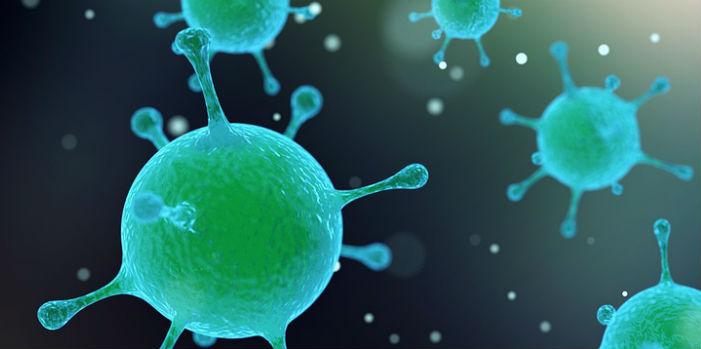
The addition of bacteria that engender urease along with the calcium source results in the precipitation of calcite in the concrete. Bio-mineralization techniques give promising results for sealing micro-cracks in concrete. Newly composed micro cracks can be sealed by a process of perpetual hydration in the concrete. Ureolytic bacteria including Bacillus Pasteurii and Bacillus Subtilis integrate together with the calcium source to seal the newly composed micro cracks by precipitation with CaCO3.
For the improvement of the pore structure in the concrete, the bacterial concentrations were optimized for better results. The literature shows that the encapsulation method will give better results than the direct application method and that the use of bacteria can increase the strength and durability properties of concrete.
Source: http://www.sciencedirect.com