
 International. The biodeterioration of water-based manufactured formulations, such as dispersing polymers, is a major problem for producing companies and for users of such products.
Biocides are used to protect these and similar products from the effects of microorganisms, predominantly bacteria and yeasts.
In the absence of internationally recognized standard methods for determining the strength of polymer dispersions for microbial growth and the efficacy of the biocides used in them, protocols for testing other products, e.g. paints, have been adapted, and other methods produced by manufacturing companies, testing laboratories and academic institutions have been used.
Often, these do not take into account the specific nature of the materials that were tested, the types of organisms commonly cause contamination, and the conditions to which polymers in dispersions will be exposed during manufacturing, storage, and use.
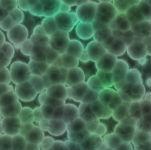
By conducting a series of turn-based, collaborative testing, member organizations of a dispersal polymer research group have identified the bacteria that commonly infect these polymers, which define the main parameters needed for a standard test method, and developed a protocol that is robust, repeatable, and reproducible.
The recommended assay involves three repeated inoculations of the material with a pre-determined mixture of seven Gram-negative bacteria and the evaluation of the living cells using a simple coating technique. The work, carried out by nine participating laboratories, is a final statistical validation and suggests that the method is well suited as a standard test method.