
International. More than half of China's AkzoNobel production plants are getting closer to operating on 100% renewable electricity, in line with the company's efforts to rely solely on clean energy.
Currently, a project underway involves eight of the 15 facilities in the Asian country. This plan combines self-generated and externally sourced renewable electricity to accelerate the transition from fossil fuels to zero-carbon alternatives.
The Suzhou and Changzhou plants will reach 100% renewable electricity coverage this year, while those in Shanghai and Wuhan expect to reach 90% by 2026. In addition, two facilities in Langfang are already fully powered by renewable electricity, while the one in Guangzhou will reach 40% by 2025. Meanwhile, the Decorative Paints plant in Chengdu currently obtains 18% of its electricity from renewable sources.
"We are fully focused on achieving our ambition to use 100% renewable electricity in our operations by 2030," said Wijnand Bruinsma, Chief Sustainability Officer at AkzoNobel. He added: "We are delighted with the progress made in China and will continue to proactively drive the transition across all our manufacturing plants."
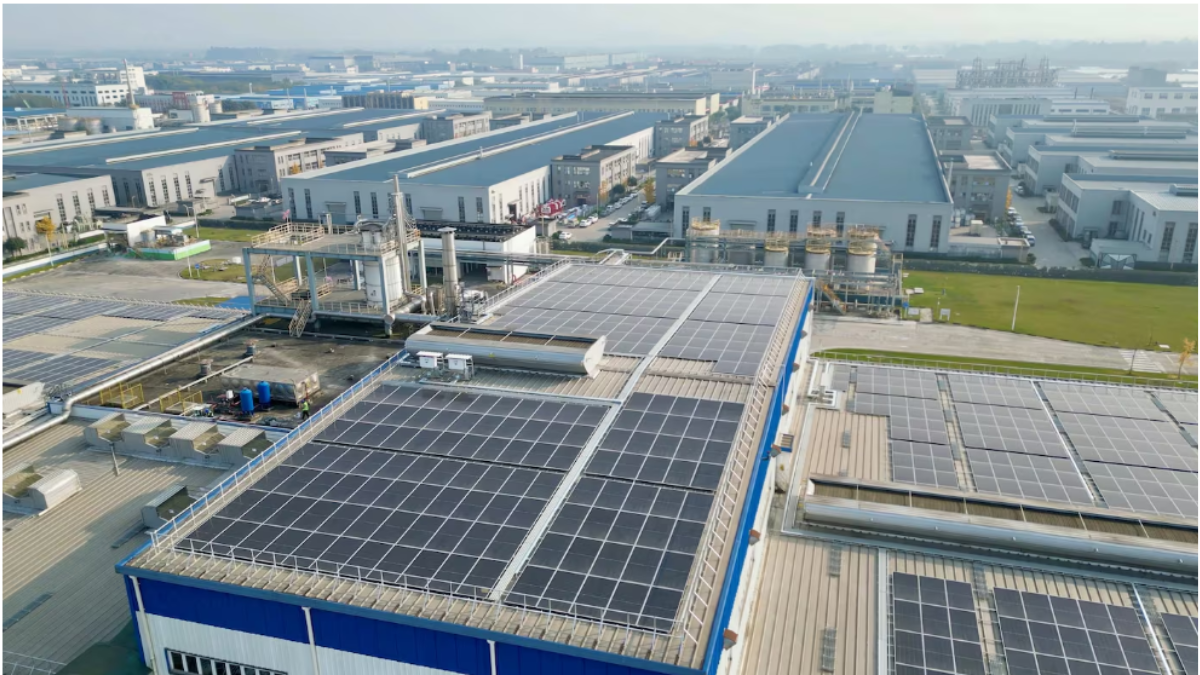
In 2024, it launched the second phase of its solar project, installing more than 5,600 panels at its facilities in Shanghai, Guangzhou and Chengdu. According to Bruinsma, the combination of renewable energy generated on site with external sources "relieves pressure on the grid and creates additional capacity, which contributes to the energy transition."
These advances have been recognized by the Chinese authorities: as of February 2025, AkzoNobel has received six "green factory" distinctions, three at the national level (Chengdu, Shanghai and Guangzhou) and three at the local level (Shanghai, Suzhou and Changzhou).