
International. The aerospace coatings sector continues to rise. According to Straits Research "in 2022, this market reached a value of $3.298 billion and is estimated to exceed $5.485 billion by 2031, registering a compound annual growth rate (CAGR) of 5.82% during the forecast period (2023-2031)."
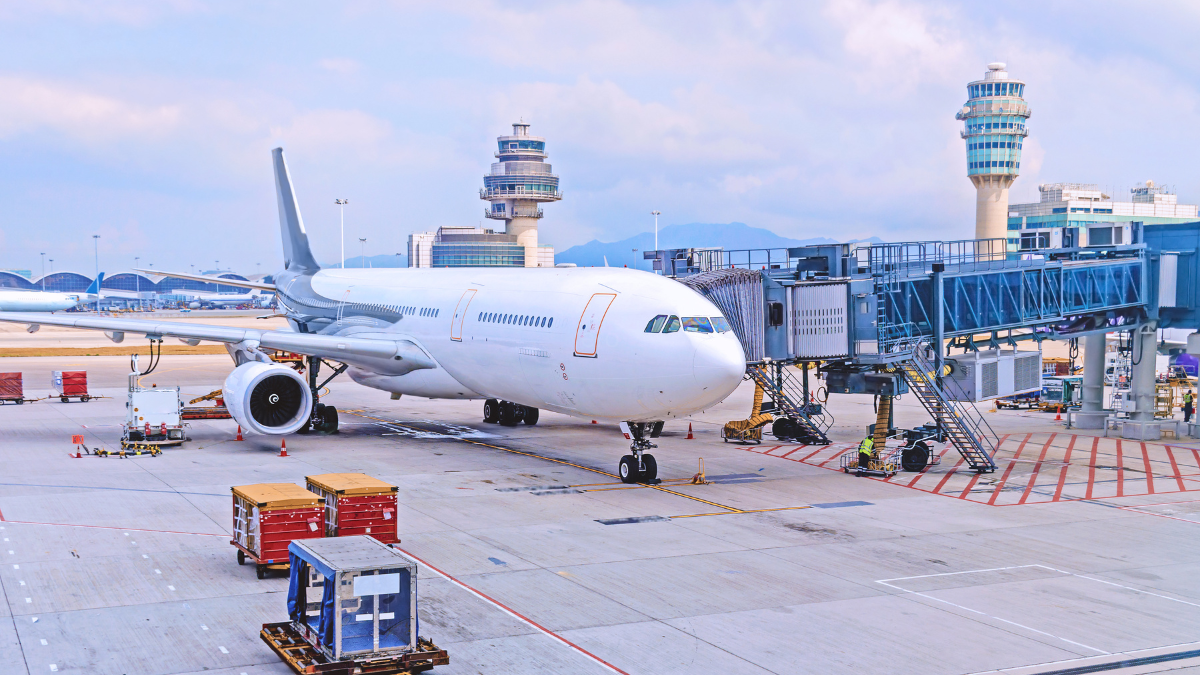
The growth of the aeronautical industry, especially in emerging economies such as China and India, is driving the demand for these specialized coatings, which are critical for protecting aircraft, spacecraft, and components against extreme conditions. In addition to improving durability and aesthetics, these materials contribute to reducing the weight of aircraft and reducing CO₂ emissions.
The expansion of commercial, military and general aviation is expected to continue to drive this market, with a projected growth share of 4.5% per year, consolidating aerospace coatings as a key element in the evolution of the sector.
Aviation Growth Drives the Coatings Market
The growth of aviation globally, driven by rising disposable income, urbanization and globalization, has led airlines to expand their fleets to meet growing demand. Regions such as Asia-Pacific, the Middle East and Latin America have experienced a strong boom in aircraft procurement, resulting in an increased need for specialized coatings.
Major aircraft manufacturers, such as Boeing and Airbus, continue to receive massive orders. As more aircraft come into operation, the need for coatings that are resistant to corrosion, UV radiation, and extreme weather conditions intensifies.
Case Study: PPG Revolutionizes Aviation with Coatings That Optimize Thermal Management
In a technological breakthrough, PPG has developed an innovative eggplant-inspired coating system designed to keep aircraft cooler both inside and out. According to the company, this system is based on a transparent infrared paint that allows the Sun's heat to pass through the pigments to a layer of white primer, which reflects the heat away from the fuselage. In this way, the "skin" of an aircraft painted with this coating can be kept up to 4°C cooler, achieving a reduction in cabin temperature of between 5 and 7 degrees.
"Airlines tend to use white or very light colors to paint the majority of aircraft fuselage," explains Mark Cancilla, PPG's Global Director for Aerospace Coatings. "This technology increases the possibilities in the color palette for companies. In addition, temperature reduction is important even in coatings with relatively little pigmentation, so we see great market potential in this system."
Air New Zealand is evaluating its application on its aircraft with the aim of painting them black in honour of the All Blacks, the country's iconic rugby team. In addition, Southwest Airlines has conducted tests on three of its aircraft and is preparing to roll it out across its fleet. Not only does the technology represent significant energy cost savings for airlines, but it also provides greater freedom in color design without compromising the thermal efficiency of the aircraft.
Beyond temperature reduction, this innovation has a positive impact on the structural integrity of aircraft. Original equipment manufacturers (OEMs) have increased the use of composite materials in wings and airframes, which can degrade with prolonged exposure to elevated temperatures.
"Anytime we can provide an upgrade with our technology, it's very exciting for us," Cancilla adds. "And with this technology we address three important customer concerns: energy cost savings, greater freedom in color choice, and extra wear protection for such composite materials."