
International. Researchers at the University of Sydney observe that oil molecules retain their "liquid-like" properties when chemically bonded as an extremely thin layer to solid surfaces.
This opens up new possibilities for designing sustainable materials with non-stick characteristics.
The "liquid-like" coatings the team studied, known as covalently bonded slippery liquid surfaces (SCALS), are produced from silicones or polyethylene glycol, both of which break down into harmless byproducts in the environment.
SALCs are anti-adhesives without relying on problematic perfluorinated polymers (PFAS), known as "permanent chemicals" that are generally used for their low-adhesion properties.
"These liquid-like layers are extremely slippery to most contaminants," said Professor Chiara Neto, who heads the Nanointerfaces Laboratory at the University of Sydney.
"They remove liquid droplets effortlessly, which is great for increasing heat transfer efficiency and for collecting water, prevent scale buildup and resist the adhesion of ice and bacteria, bringing us one step closer to a self-cleaning world," Neto added.
"We can correlate the exceptional performance of these layers with their nanostructure, which means we now know what we are aiming for when designing slippery surfaces, allowing us to make them even more effective and provide viable alternatives to fluorinated coatings," Neto continued.
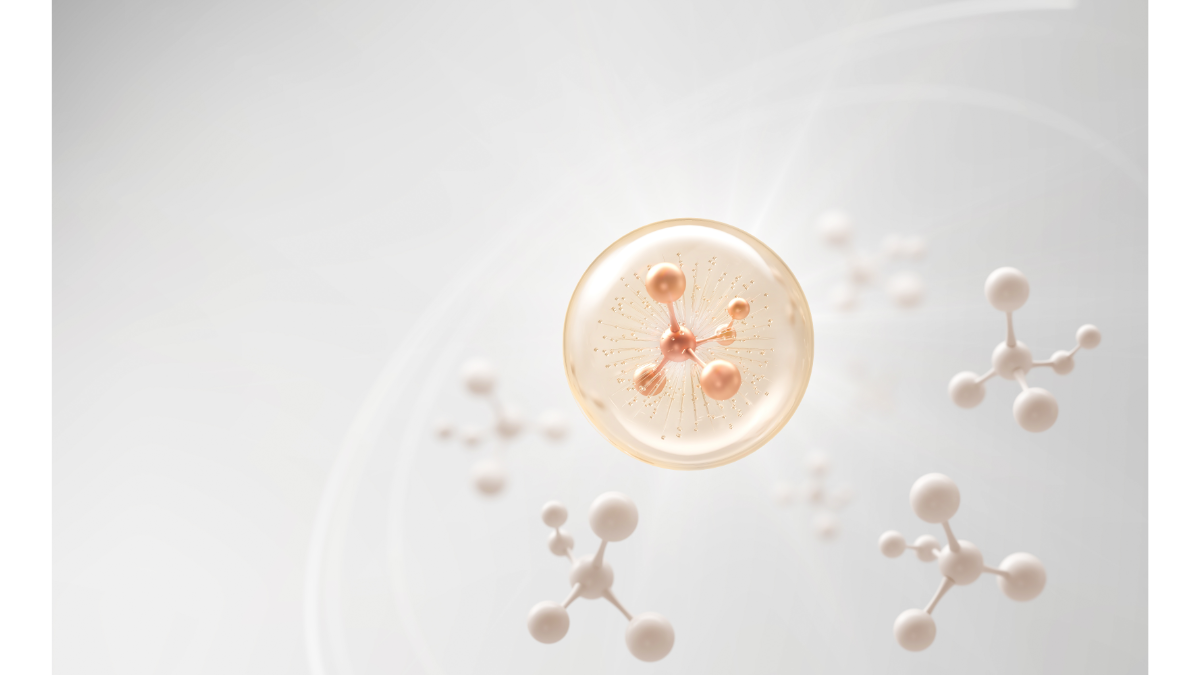
The slippery nanothin layers, between two and five billionths of a meter thick or 10,000 times thinner than a human hair, are made up of oil molecules just a hundred atoms long.
To unravel the secrets of their ultra-thin liquid coatings, the team used two techniques to "see" the surface layers.
The first technique is single-molecule force spectroscopy, which measures the length of individual molecules and the force needed to stretch or compress them. The second is neutron reflectometry, which allows scientists to measure the length and graft density of molecules.
"We found that if the liquid molecules were too short and sparsely grafted onto the solid surface, they did not adequately cover the underlying solid surface and remained sticky. On the other hand, if the molecules were too long or grafted too densely, they didn't have enough flexibility to act as a liquid," Neto explained.
"For SCALS to be effective, they needed to be in a Goldilocks zone, where they are neither too short nor too long, nor too loose or too tight," Neto added.
To definitively demonstrate that the exceptional properties of these layers are due to their "liquid" state, the team measured the rate at which a small probe molecule diffused within the layer.
Molecules can diffuse through liquids, but not through solids. Professor Neto said the fastest molecular diffusion was observed in the Goldilocks zone, where the oil molecules are just the right length and grafted with moderate density.