
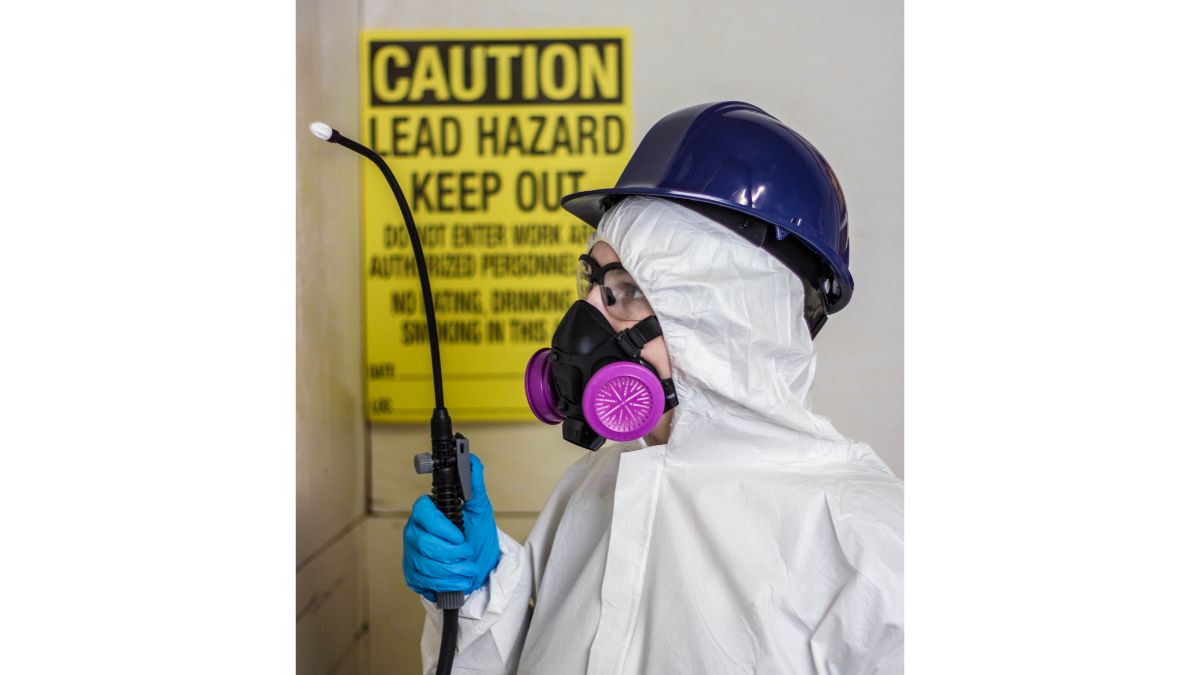
United States. The U.S. Environmental Protection Agency (EPA) has taken steps to reduce children's exposure to lead-based paints.
Lead exposure can pose a significant threat to children's health and safety, as well as cause irreversible and lifelong health effects, including behavioral problems, lower IQ or slow growth.
That's why he announced a proposal to strengthen lead paint standards to protect against childhood exposure to lead in buildings and facilities built before 1978.
If finalized, this rule is estimated to reduce lead exposure from approximately 250,000 to 500,000 children under the age of six per year.
EPA Deputy Administrator Janet McCabe; EPA Assistant Administrator for Chemical Safety and Pollution Prevention Michal Freedhoff; and EPA Region 2 Administrator Lisa Garcia announced the proposal in Newark, New Jersey, a city pioneering lead exposure reduction.
"There is no safe level of lead. Even low levels are harmful to children's health, and this proposal would bring us closer to eradicating the dangers of lead-based paint from U.S. homes and daycare centers once and for all," said the deputy administrator of the Office of Chemical Safety and Pollution Prevention. Michal Freedhoff.
If finalized, the proposed rule would strengthen EPA regulations under section 402 of the Toxic Substances Control Act (TSCA) by revising dust and lead hazard standards (DLHS).
These identify hazardous lead in dust from floors and window sills, and lead removal hazard standards (DLCL), the amount of lead that can remain in dust from floors, windowsills, and window gutters after lead removal activities.