Select your language

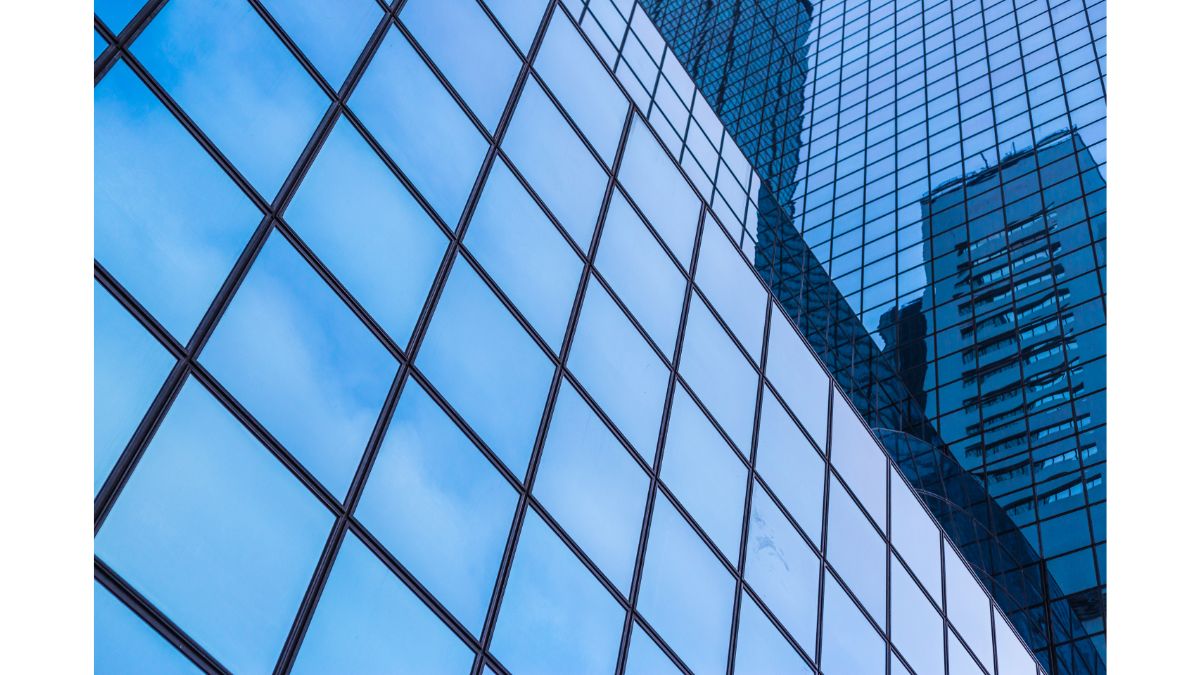
Design transparent window cladding to cool buildings

Ventanas de edificios

International. In hot, dry cities, the researchers say, optimized CRT could potentially reduce cooling energy consumption by 31% compared to conventional windows.

As climate change intensifies the summer heat, demand for technologies to cool buildings grows.

Now, researchers report that they have used advanced computer technology and artificial intelligence to design a transparent window covering that could reduce the temperature inside buildings, without spending a single watt of energy.

Studies have estimated that cooling accounts for around 15% of global energy consumption.

- Publicidad -

That demand could be reduced with a window covering that could block ultraviolet and near-infrared light from the sun, the parts of the solar spectrum that normally pass through glass to heat an enclosed room.

Energy use could be further reduced if the cladding radiates heat from the window surface to a wavelength that passes through the atmosphere into outer space.

However, it is difficult to design materials that can meet these criteria simultaneously and that can also transmit visible light, meaning they don't interfere with sight.

Eungkyu Lee, Tengfei Luo and their colleagues set out to design a "transparent radiative cooler" (CRT) that could do just that.

The team built computer models of CRT consisting of alternating thin layers of common materials such as silicon dioxide, silicon nitride, aluminum oxide or titanium dioxide on a glass base, coated with a polydimethylsiloxane film.

The researchers optimized the type, order, and combination of layers using an iterative approach guided by machine learning and quantum computing, which stores data using subatomic particles.

They produced a coating design that, when manufactured, surpassed the performance of conventionally designed CRTs, as well as being one of the best commercial heat reduction glasses on the market.

- Publicidad -

This method of computing performs optimization faster and better than conventional computers because it can efficiently test all possible combinations in a fraction of a second.

They note that their findings could be applied to other applications, as CRTs could also be used in car and truck windows.

In addition, the group's quantum computation-enabled optimization technique could be used to design other types of composite materials.
No comments

• If you're already registered, please log in first. Your email will not be published.

Leave your comment

In reply to Some User
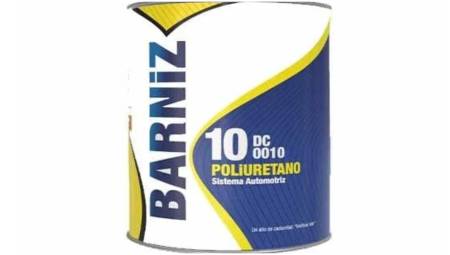
PU Varnish DC0010

PU Varnish DC0010

Gricoat DC0010 PU Coating is a two-component clear coating designed to offer high gloss and...

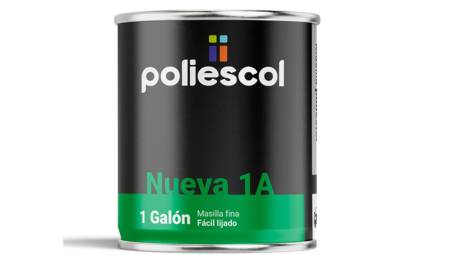
Polyester Putty

Polyester Putty

Resinas S.A.S. Resinas S.A.A launched the New Polyester Putty 1A, a semi-rigid product designed...

Before color is character: the invisible art behind automotive refinishing

Before color is character: the invisible art behind automotive refinishing

Automotive paint, that final coat that seduces with its shine and protects with its composition,...

Argentine companies certified their plants under PCRMA standards

Argentine companies certified their plants under PCRMA standards

Argentina. The companies Sinteplast, Resinas Concordia S.R.L. and Brenntag Argentina S.A. (Zárate)...

Sherwin-Williams Reports Second Quarter 2025 Financial Results

Sherwin-Williams Reports Second Quarter 2025 Financial Results

International. The Sherwin-Williams Company announced its financial results for the second quarter...

Axalta Coating Systems Reports Strong Second Quarter 2025 Results

Axalta Coating Systems Reports Strong Second Quarter 2025 Results

International. Axalta Coating Systems Ltd., a leading global coatings company, reported its...

BMO Capital Reaffirms

BMO Capital Reaffirms "Best Performing" Rating for PPG Industries

International. BMO Capital reiterated its "Best Performing" rating and a $130 price target on PPG...

Global Powder Coatings Market to Reach USD 24.26 Billion by 2032

Global Powder Coatings Market to Reach USD 24.26 Billion by 2032

International. The global powder coatings market registered a value of USD 14.29 billion in 2023...

BASF launches styrene-acrylic dispersion for coatings and waterproofing

BASF launches styrene-acrylic dispersion for coatings and waterproofing

International. BASF announced the launch of Acronal 1542 ECO, a styrene-acrylic dispersion...

Advancement in coatings: triple resin system seeks to simplify surface protection

Advancement in coatings: triple resin system seeks to simplify surface protection

International. Advanced Polymer Coatings launched a new triple-resin coating system that combines...

Suscribase Gratis
Remember Me
SUBSCRIBE TO OUR ENGLISH LANGUAGE NEWSLETTER
DO YOU NEED A PRODUCT QUOTE?
HIGHLIGHTED INTERVIEWS
SITE SPONSORS


LATEST NEWSLETTER
Ultimo Info-Boletin