
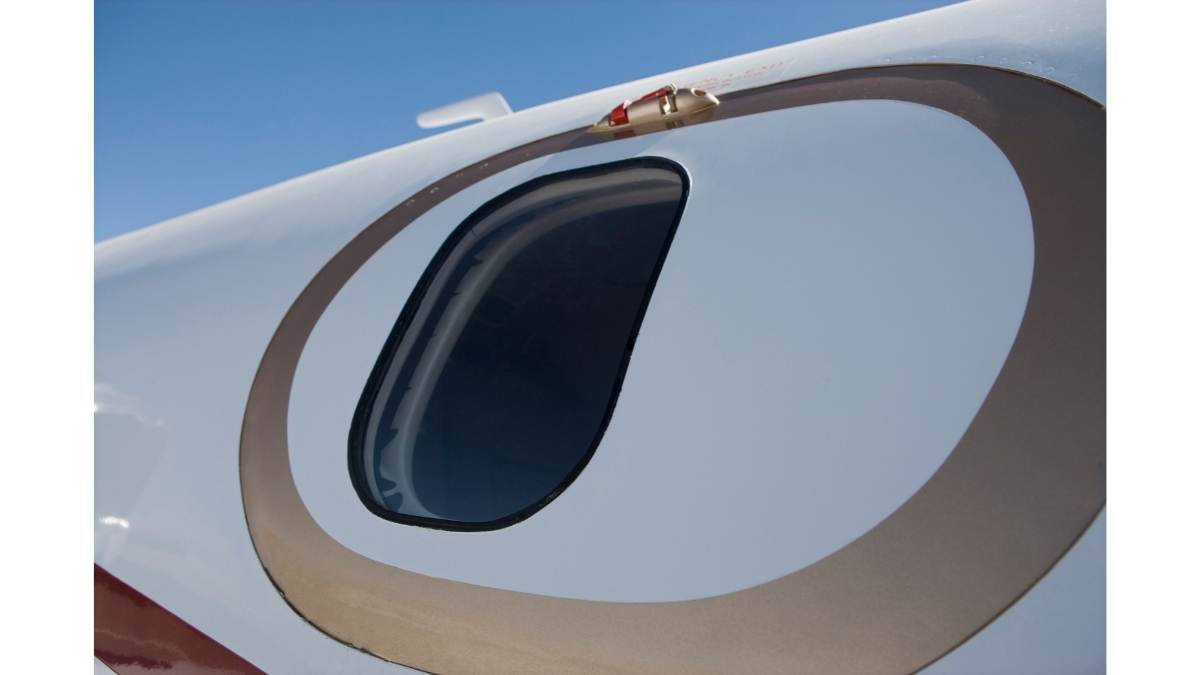
International. Researchers at Purdue University in Indiana created the new formulation that is thinner and lighter, ideal for dissipating heat from cars, trains and airplanes.
The whitest paint in the original world uses barium sulfate nanoparticles to reflect 98.1% of sunlight, cooling exterior surfaces more than 4.5°C below room temperature.
By covering the roofs of homes with that paint, it could cool them down with much less air conditioning. However, "to achieve this level of radiative cooling below room temperature, we had to apply a coat of paint at least 400 microns thick," says Purdue mechanical engineering professor and paint developer Xiulin Ruan.
"That's fine if you're painting a sturdy stationary structure, like the roof of a building. But in applications that have precise size and weight requirements, the paint needs to be thinner and lighter," says the professor.
Ruan says he has been contacted, from spacecraft manufacturers to architects and companies that make clothes and shoes, mostly with two questions: "Where can I buy it? Can you make it thinner?"
That's why Ruan's team began experimenting with other materials, pushing the limit of the materials' ability to scatter sunlight.
Its latest formulation is a nanoporous paint that incorporates hexagonal boron nitride as a pigment, a substance used mainly in lubricants.
This new paint reaches almost the same solar reflectance benchmark (97.9%) with a single layer of 150 micron paint.
The paint also incorporates air voids, making it highly porous at the nanoscale. This lower density, along with thinness, provides another great benefit: reduced weight. Newer paint weighs 80% less than barium sulfate paint, but achieves nearly identical solar reflectance.
As for where to buy the painting, Ruan says that "we are in talks right now to market it."
"There are still some issues that need to be addressed, but progress is being made," he adds.