
International. Without buying carbon credits, the company achieves zero carbon footprint of the cradle-to-door product for NPG ZeroPCF and PA ZeroPCF from renewable sources. The certification will be reviewed annually.
BASF offers for the first time neopentyl glycol (NPG) and propionic acid (PA) with a carbon footprint (PCF) of cradle-to-door product. Produced at the Ludwigshafen Verbund site of BASF, Germany, the products are available globally as "NPG ZeroPCF" and "PA ZeroPCF".
BASF achieves zero PCF for NPG and PA by using renewable raw materials in its unique Verbund production system through its biomass balance (BMB) approach. For NPG, BASF also uses renewable energy for production.
BASF manufactures NPG ZeroPCF and PA ZeroPCF in its Verbund integrated production system applying its BMB approach. To this end, BASF introduces renewable raw materials into its Verbund system in the first steps of chemical production and allocates a corresponding share of renewable raw materials to specific sales products by means of a certified mass balance method.
The renewable raw material used is waste-based. BASF's balanced biomass products are certified according to recognised standards such as REDcert2 or ISCC plus.
In the production of NPG ZeroPCF, BASF also uses renewable energy through Renewable Energy Certificates.
NPG ZeroPCF and PA ZeroPCF are "direct" solutions. They are identical in quality and properties to standard products, allowing customers to use them in their production without the need for adjustments to their existing processes.
In this way, customers can simply and efficiently reduce emissions from purchased goods or services (Scope 3) and increase the share of renewable raw materials in the value chain, thus contributing to the shift towards a circular economy.
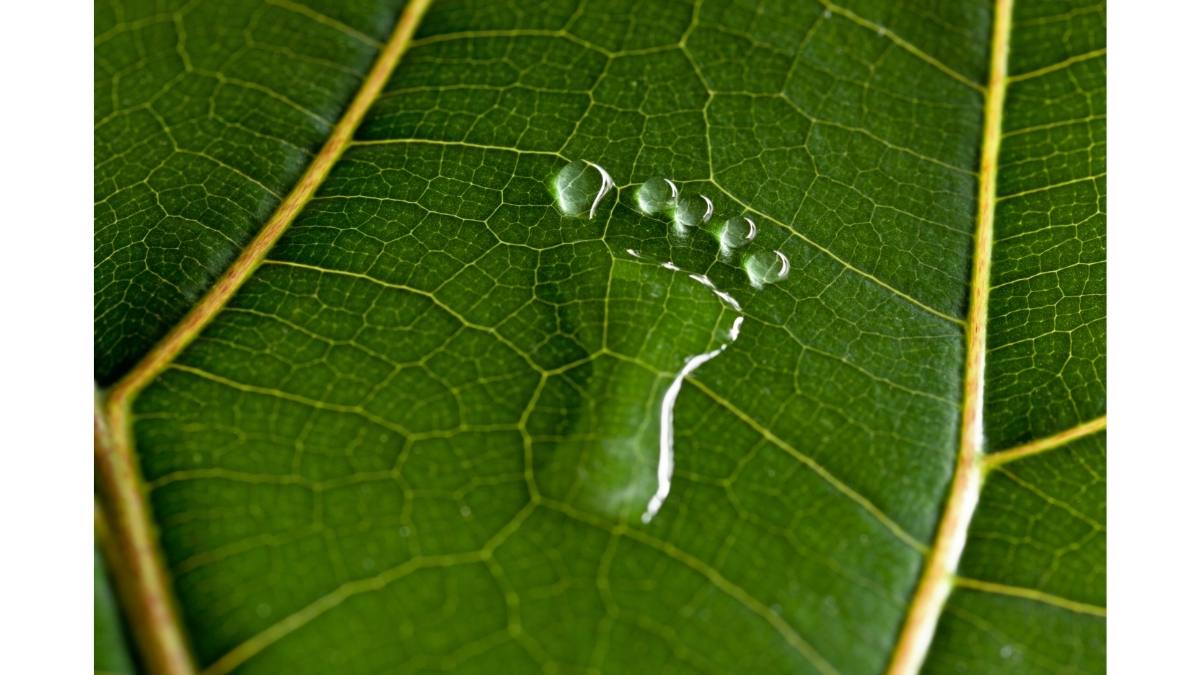
The PCF comprises the total GHG emissions that are produced until the product leaves the door of the BASF factory for the customer, from resource extraction to the manufacture of precursors and the manufacture of the final chemical itself.
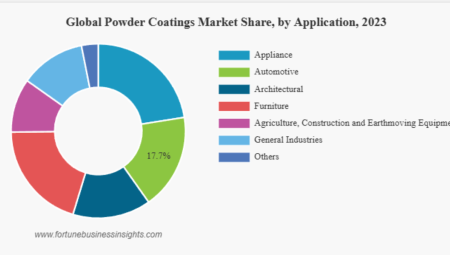
An essential field of application of NPG is powder coatings, especially for the construction and automotive industries, as well as for household appliances. In addition to emitting minimal or no volatile organic compounds (VOCs), the powder coating process also reduces processing times and energy requirements.
By applying NPG ZeroPCF, the carbon footprint of powder coating resins can be significantly reduced. This can help manufacturers in the construction, automotive, appliance and furniture industries achieve their upstream scope 3 CO2 emission reduction targets.
Due to its high chemical and thermal stability, versatile NPG polyalcohol has proven its effectiveness in many other applications, in particular as a basic element for the production of polyester and alkyd resins for various coatings and plastics.
BASF has obtained Carbon Neutral certification from global climate change consultancy Carbon Trust for its NPG ZeroPCF and PA ZeroPCF. The Carbon Trust certifies products as Carbon Neutral that are carbon neutral through temporary natural carbon sinks upstream such as plants or through carbon credits purchased by the manufacturing company.