
 USA Scientists at the Department of Energy at Brookhaven National Laboratory developed a method for coating metal surfaces with an ultra-thin film containing nanoparticles, which make the metal resistant to corrosion and eliminate the use of toxic chromium for this purpose. The technology is available by license.
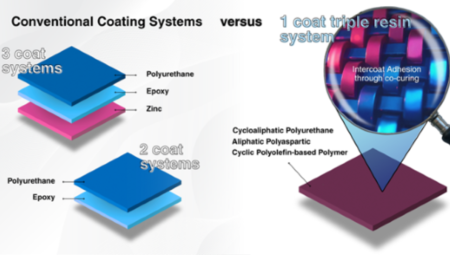
"Our coating is produced for the metal using a simple two- or three-step process to produce a thin film, structured by the bond between the compounds of the component," said chemist Toshifumi Sugama.
Corrosion resistance is essential for metals used in a wide range of applications, from appliances, aviation and power plants. Traditionally, compounds contain a toxic form of chromium, which has provided the best corrosion resistance. Scientists are looking to develop chromium-free alternatives that are unable to reach the thin layers desirable for many applications. "Ultra-thin coatings reduce the amount of material needed to provide corrosion resistance, thereby reducing costs," Sugama said.