
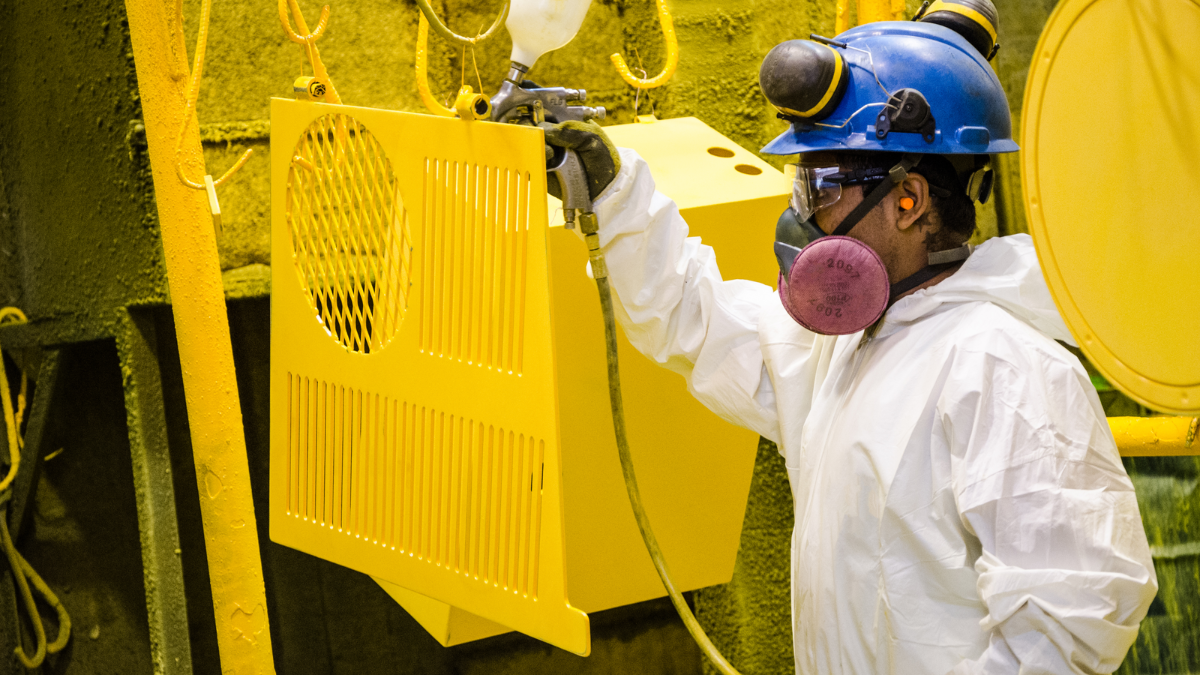
The paints and coatings industry is undergoing a profound transformation, driven by the need to protect human health and the environment.
By Andrea Ochoa Restrepo
Change in the paints and coatings industry would not be possible without a regulatory framework that guides good practice, defines technical constraints, and promotes health and sustainability standards. In Colombia, an outstanding achievement has been the establishment of Law 2041 of 2020, which guarantees the right to a lead-free environment and establishes a limit of 90 parts per million (ppm) for this metal in decorative paints, in accordance with the guidelines of the World Health Organization (WHO).
This regulation not only represents an advance in the law, but also an institutional commitment to public health. However, its effective implementation depends on the technical regulation, which is currently under development. It must establish supervision, control and sanction processes, in addition to establishing certification procedures to ensure compliance by manufacturers and importers.
"We continue to support and encourage the Government for the issuance of the technical regulation of Law 2041 of 2020," said Daniel Mitchell, president of the Acopinturas sector chapter of Acoplásticos, who also highlighted the collaboration with LEEP as a key strategy to strengthen the transition.
In this context, Colombia is not in solitude. The removal of lead from paints has already been established in more than 90 countries that have implemented similar limitations. In Latin America, nations such as Mexico, Uruguay and Chile have made progress in establishing technical regulations, although the degrees of compliance differ.
In this context, Colombia is not in solitude. The removal of lead from paints has already been established in more than 90 countries that have implemented similar limitations. In Latin America, nations such as Mexico, Uruguay and Chile have made progress in establishing technical regulations, although the degrees of compliance differ.
In addition to lead, environmental and health regulation is moving towards the management of volatile organic compounds (VOCs), the classification of products according to their environmental impact and transparency in labelling, thus promoting a more conscious and competitive industry.
The use of lead in paints: a public health problem
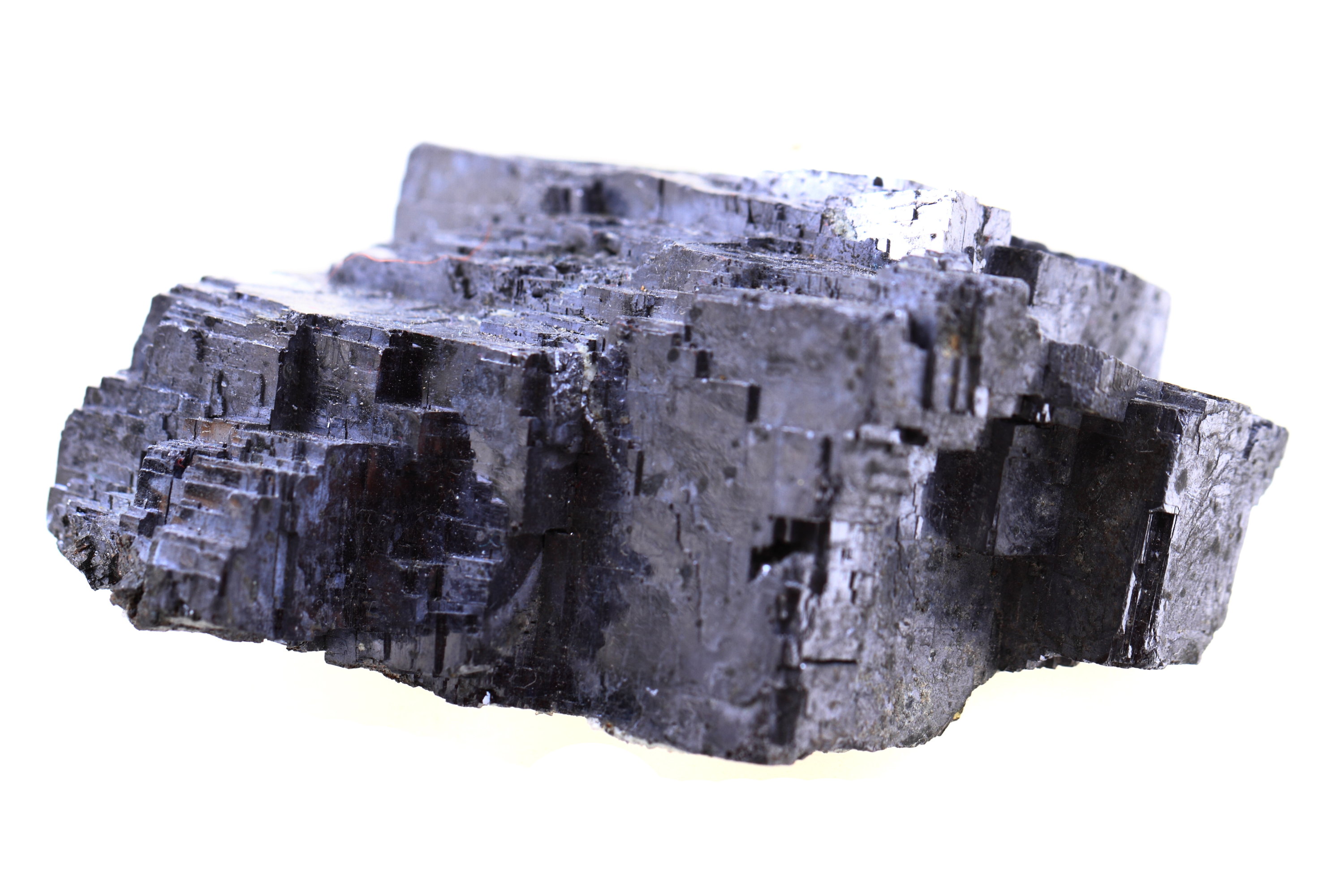
Along with technological advancements, the industry also faces the challenge of completely eliminating the use of lead in its formulations.
In Colombia, Law 2041 of 2020 sets a limit of 90 ppm for lead content in paints, in accordance with WHO standards. It is expected that the technical regulation under development will ratify this threshold.
From Acoplásticos, Daniel Mitchell reiterated the sector's commitment: "We continue to support and encourage the Government for the issuance of the technical regulation of Law 2041 of 2020, and our collaboration with LEEP has been a key step in this process."
LEEP (Lead Exposure Elimination Project), an international organization based in London, has provided technical assistance to the Colombian sector for product reformulation, training and promotion of safe raw materials.
"We are encouraging those companies that still use lead in their formulations to transition to lead-free paints," Mitchell added.
Innovating to Deliver: The Case of Sayer Lack
Sayer Lack is an example of how the industry can adapt to these demands. "We have already modified our plants and processes to ensure that most of our products are water-based, reducing the emission of volatile compounds and facilitating their application," Carballo explained.
In addition, the company is committed to specialized products that respond to the needs of sectors such as construction and the automotive industry.
"We remain focused on the development of products that optimize times and reduce the need to redo jobs," he said.
Organic pigments: safe shade
It is also part of this transition to a lead-free industry to innovate in the use of pigments. Organic dyes, based on carbon compounds, provide high color intensity, longevity, and a safe option compared to conventional dyes that include heavy metals.
Liliana Higuera, KAM of Pinturas del Grupo Almatia, highlights the importance of this evolution:
"Having lead-free products allows us to align with two of the Sustainable Development Goals: sustainability and well-being, as well as responsible production and consumption."
A joint route to the future
Sustainability is no longer seen as an option, but a condition for competing and thriving.
"Our dedication to innovation and ability to adapt is essential to staying current in such a fluctuating market." We want to be a company that not only focuses on the quality of its products, but also on the well-being of our customers," Carballo concluded.
The future of the paints and coatings industry is built on innovation, regulatory compliance, environmental awareness, and the protection of public health. In that convergence lies the true color of change.